

STOP Eating Seed Oils: The Truth About Canola, Soybean & Vegetable Oil
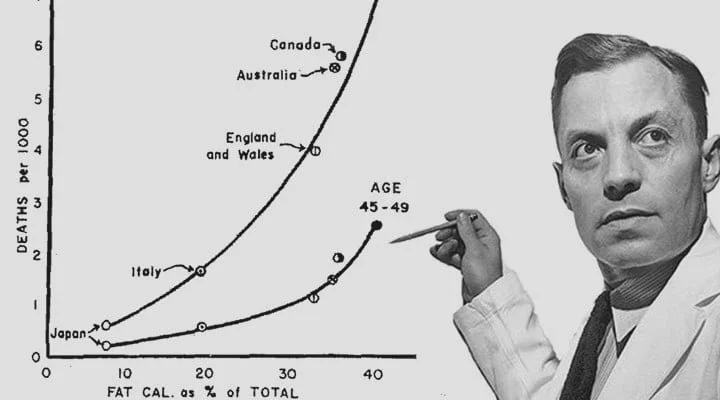
Ancel Keys showing his theory
Welcome back to another deep dive into nutrition and health! Today, we're exploring the controversial world of seed oils, the food pyramid disaster, and some practical tips for staying healthy during the winter months.
The Historical Context: How We Got Here
Ancel Keys and the Seven Countries Study
The story of modern dietary guidelines begins with Dr. Ancel Keys, who conducted the famous Seven Countries Study. Keys claimed that saturated fat and salt were the primary cause of heart disease, but his research had a critical flaw: he cherry-picked data to support his theory.
Keys didn't just promote his ideas—he actively bullied other researchers who disagreed with him. One notable victim was Dr. John Yudkin, a scientist who argued that sugar, not saturated fat, was the real culprit behind heart disease and cholesterol issues. Keys' attacks on Yudkin were so aggressive they've been compared to "an Eminem diss track," effectively ruining Yudkin's career and silencing other researchers who supported his findings.
The McGovern Committee and Dietary Guidelines
In 1968, Senator McGovern's committee started with good intentions—addressing hunger and poverty. However, by 1977, it had shifted focus to "over-nutrition" and released dietary goals that would change everything.
Here's the problem: doctors begged the committee to wait for more research, but McGovern famously stated that "senators don't have the luxury of waiting." This became the foundation for the 1980 official USDA guidelines, essentially declaring that Ancel Keys was right, without sufficient scientific proof.
The Food Pyramid Disaster of 1992
The USDA's food pyramid recommended:
6 to 11 servings of grains per day
Fats are grouped with sugars at the bottom (eat sparingly)
Up to 20 servings of carbohydrates per day if you followed it strictly
The problems were obvious:
Serving sizes on the pyramid didn't match serving sizes on food labels
The excessive carbohydrate recommendations contributed to rising obesity rates
Healthy fats were vilified alongside processed sugars
The Seed Oil Problem
What Are Seed Oils?
Despite being marketed as "vegetable oils," these products don't come from vegetables at all—they're extracted from seeds. The term "vegetable oil" is purely a marketing strategy to make them sound healthier.
The "Hateful Eight" seed oils to avoid:
Canola oil
Corn oil
Cottonseed oil
Soybean oil
Sunflower oil
Safflower oil
Grapeseed oil
Rice bran oil
How Seed Oils Are Made
The production process reveals why these oils are problematic:
Chemical extraction: Seeds are ground and treated with hexane (a petroleum-based solvent) or similar harsh chemicals
Bleaching: Bleach is added to improve color and remove unwanted compounds
Deodorizing: The oil is heated to 400°F under extreme pressure for hours to remove chemical smells
Preservatives: BHA, BHT, and TBHQ are added to extend shelf life
This highly processed product bears little resemblance to natural food.
Why Seed Oils Are Dangerous
High Omega-6 Content
Ideal omega-6 to omega-3 ratio: 1:1 or 4:1
Modern American diet: 20:1 or even 50:1
Excess omega-6 promotes inflammation
Oxidation Issues
Polyunsaturated fats (PUFAs) are unstable
They oxidize easily when exposed to heat, light, or air
Oxidized fats create free radicals that damage cells, DNA, and arteries
Linoleic Acid Overload
Seed oils contain 50-70% linoleic acid
It gets stored in fat cells for years
Takes 600-700 days to clear half of it from your body
Continues to oxidize and cause inflammation while stored
Health Consequences
Chronic inflammation (root cause of most diseases)
Heart disease (oxidized LDL clogs arteries)
Obesity (disrupts leptin signaling and hunger hormones)
Cancer (oxidative stress damages DNA and promotes tumor growth)
Autoimmune diseases (increases intestinal permeability)
Mental health issues (crosses blood-brain barrier, linked to depression and anxiety)
What Oils Should You Use?
A simple rule: if it's liquid at room temperature, it's unsaturated (less stable). If it's solid, it's saturated (more stable).
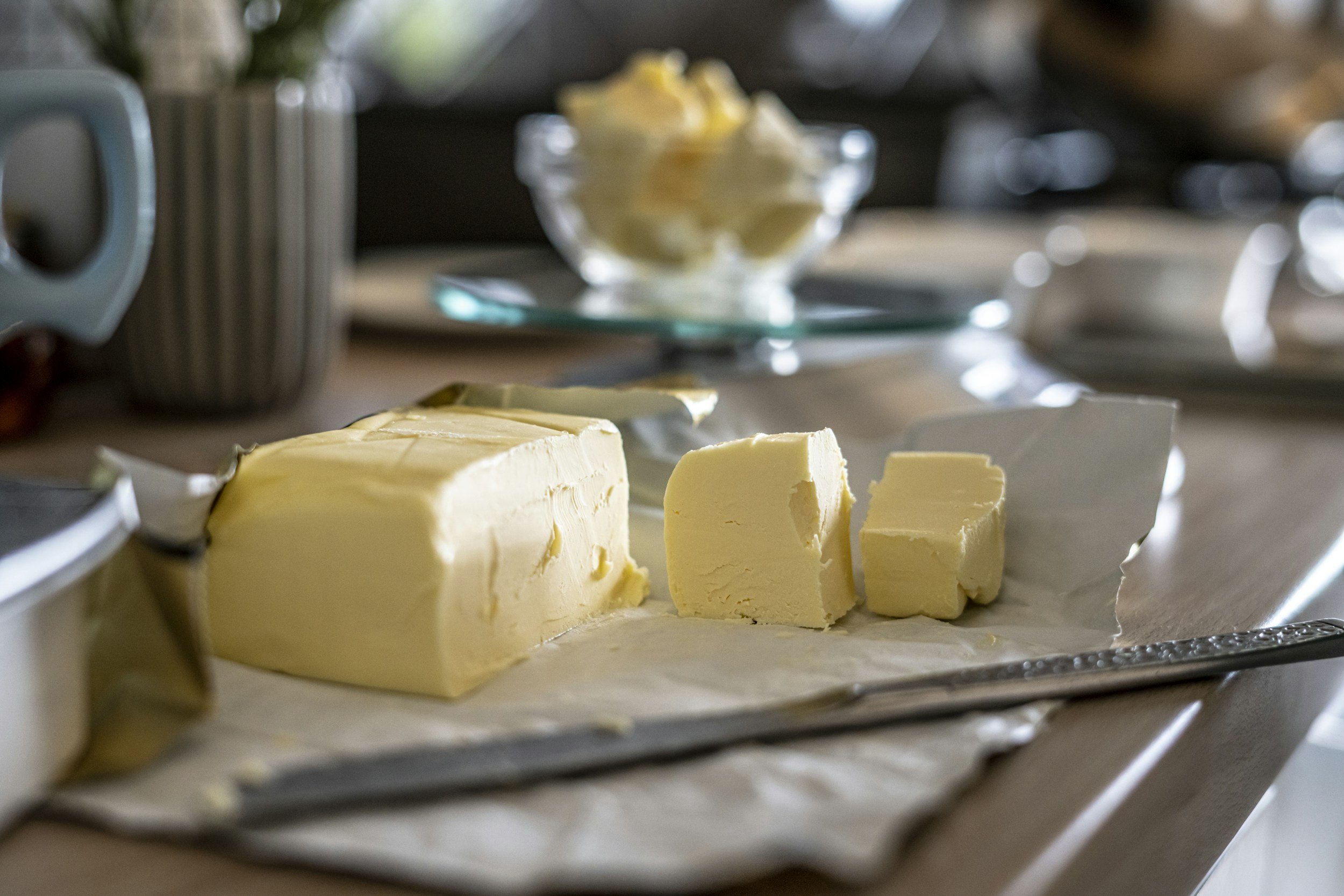
Picture of Butter
Best Cooking Oils (by smoke point):
Ghee - 450°F (best for high-heat cooking)
Tallow - 400°F
Avocado oil (unrefined) - 375-400°F (better for salads)
Olive oil (extra virgin) - 325-375°F (best for salads and light cooking)
Coconut oil (unrefined) - 350°F
Butter - 300°F (great for eggs and baking)
Important tips:
Check labels to ensure 100% pure oil (no soybean oil added)
Look for the country of origin (Spain/Mexico for avocado oil, Italy for olive oil)
Choose glass bottles when possible
The Sugar Cover-Up
Sugar hides on food labels under over 70 different names. The explosion of high fructose corn syrup in the 1980s coincided with rising obesity and diabetes rates.
The Minnesota Coronary Survey Cover-Up
This study of over 9,000 people in mental hospitals (a controlled environment) showed that vegetable oils didn't help heart disease. The results weren't published for 16 years because researchers were "disappointed" with the findings. This is scientific fraud.
Winter Health Tips
Road Safety Innovation: Beet-Based Road Salt
Sweden has introduced an eco-friendly road salt made from beet and maize starch. Benefits include:
Less corrosive to vehicles and infrastructure
Safer for wildlife (provides hydration and energy if ingested)
The bright red color makes it visible on roads
Reduces chemical runoff
Potential concerns: The red color might affect bird behavior, and the nutritional content could attract wildlife to roads. However, the benefits likely outweigh these risks.
Winter Driving Safety
Check tire tread, battery, brakes, and wipers
Keep an emergency kit (blankets, flashlight, jumper cables, shovel, snacks, ice scraper)
Reduce speed and increase following distance
Avoid sudden braking and sharp turns
Use headlights and avoid cruise control in snow/ice
Watch for black ice on bridges and shaded areas
Clear ALL snow off your vehicle before driving
Boost Your White Blood Cells
White blood cells are your body's defense against cold and flu viruses. Support them through nutrition:
Key nutrients:
Vitamin C (citrus fruits, bell peppers)
Vitamin D (fatty fish)
Vitamin E (nuts, seeds)
Zinc (legumes, seafood)
Folate (leafy greens)
The cooked meat advantage: Eating cooked meat increases body temperature through diet-induced thermogenesis (DIT). Protein requires more energy to digest than fats or carbohydrates, generating heat that helps keep you warm in winter.
Holiday Survival Guide
The holiday season is essentially:
A candy holiday (Halloween)
A pie holiday (Thanksgiving)
Another sugar holiday (Christmas)
An alcohol holiday (New Year's)
All within three months. Be mindful of this sugar and carb overload.
Thanksgiving tip: Give your body three hours to digest before sleeping. If you do nap after dinner, lie on your left side—your digestive system is positioned to work better in this position.
Final Thoughts
The modern food system has been built on flawed science and financial interests rather than genuine health concerns. From Ancel Keys bullying researchers to the McGovern Committee rushing dietary guidelines, to the pharmaceutical industry profiting from statins, the pattern is clear.
The good news? You can take control by:
Avoiding seed oils
Reducing sugar intake
Using traditional, stable cooking fats
Eating whole, unprocessed foods
Supporting your immune system with proper nutrition
Remember: if your great-grandmother wouldn't recognize it as food, you probably shouldn't eat it.
