

How Artists in Every Genre Are Winning Without Record Labels
The Independent Revolution Is Here
Underground music isn't disappearing—it's winning quietly. The rise of independent artists proves one fundamental truth: you don't need permission to create. You need conviction, community, consistency, and most importantly, truth.
This comprehensive breakdown explores how artists across every major genre have built successful careers outside the traditional label system, maintaining creative control while reaching millions of fans worldwide.

Picture of Hip-hop culture
Hip-Hop, Rap & R&B: The Independent Pioneers
Tech N9ne — The Independent King of Strange Music
Aaron "Tech N9ne" Yates co-founded Strange Music in 1999 with Travis O'Guin, transforming it into one of hip-hop's most successful independent labels. From early albums like Anghellic to the innovative "Collabos" series, Tech sold millions without major-label backing.
Why Independent: Tech rejected traditional labels to maintain creative control and ownership. His unique approach included sharing his best beats with signed artists, encouraging them to create their own versions—a collaborative philosophy rare among mainstream artists.
How He Got Popular: Intense live shows, rapid-fire delivery, prolific output, and direct fan relationships helped him outsell many mainstream peers. His fanbase, "The Technicians," proved indie artists could compete globally.
Chance the Rapper — Streaming & Community First
Breaking out in the early 2010s, Chance the Rapper gave his music away for free on digital platforms. His third mixtape, Coloring Book, became the first streaming-only album to win a Grammy, including Best Rap Album.
Why Independent: Chance valued autonomy over traditional deals, maintaining creative freedom and direct fan connection despite major label offers.
How He Got Popular: Free releases maximized accessibility while social media and performances built buzz. Blending hip-hop with gospel and community activism propelled him to mainstream recognition.
Nipsey Hussle — Entrepreneurial Hustle & Proud2Pay
Nipsey Hussle's Crenshaw mixtape famously sold 1,000 copies at $100 each, with Jay-Z purchasing 100—a bold experiment in valuing music as art.
Why Independent: After Epic Records stalled his career, Nipsey launched his own label, embracing direct fan relationships and self-ownership.
How He Got Popular: Unique marketing strategies, limited high-value releases, free distribution, relentless touring, and community engagement built fierce loyalty. His entrepreneurship and activism made him a cultural icon beyond music.
Russ — SoundCloud to Billboard
Russ self-released music on SoundCloud, dropping songs weekly until tracks like "What They Want" and "Losin Control" hit the Billboard Hot 100. As of 2020, he's officially independent again.
Why Independent: Russ built his audience directly rather than waiting for label validation, controlling his output and brand before any partnership.
How He Got Popular: Consistent DIY releases created organic buzz and streaming success, all anchored by authenticity and prolific output.
E-40 — Bay Area Hustle & Longevity
The Vallejo legend pioneered independent hustle with Sick Wid It Records since the early 1990s, selling music from car trunks before digital distribution existed.
Why Independent: E-40's entrepreneurial approach became foundational for Bay Area rap culture, influencing generations of artists.
How He Got Popular: Relentless output, inventive slang, cross-generational collaborations, and savvy branding beyond music (including beverages) sustained decades of relevance.

Taylor Swift is now the biggest independent pop artist in the world
Pop: Breaking the Mold
Tory Lanez — Blockchain Pioneer
Tory Lanez experimented with blockchain technology, releasing When It's Dark as an NFT collection. One million copies at $1 each reportedly sold out in under a minute, generating direct revenue while challenging streaming economics.
Why Independent: Frustrated with traditional distribution, Lanez embraced NFTs to bypass intermediaries and maintain control over monetization.
Macklemore — Independent Success with The Heist
Macklemore and producer Ryan Lewis released The Heist independently through Macklemore LLC. Despite minimal traditional promotion, it debuted at No. 2 on the Billboard 200 with massive hits like "Thrift Shop" and won multiple Grammys, including Best Rap Album.
Why Independent: They retained creative control and ownership, only later working with Warner Music Group for selective radio promotion.
How He Got Popular: Viral singles, grassroots touring, savvy digital distribution, and compelling visuals proved indie acts could compete on charts and award stages.
Prince — Trailblazer for Artist Freedom
Prince's legendary battle with Warner Bros. over creative control made him one of the most vocal advocates for artist ownership. He changed his name to a symbol and publicly protested contracts he called "slavery."
Why Independent: Prince spent years securing control of his masters and creative output, pioneering ways for artists to dictate their careers.
Impact: From Purple Rain to 1999, Prince combined artistic genius with courageous business decisions, inspiring generations to fight for control.
Billie Eilish — Early DIY Global Sensation
Billie Eilish began making music with her brother Finneas in their home studio, releasing "Ocean Eyes" on SoundCloud before major label involvement.
Why Independent: Early success stemmed from DIY ethics—writing, recording, and crafting her image before major backing.
How She Got Popular: "Ocean Eyes" went viral, but her authentic voice, relatable persona, and genre-blurring sound expanded her from indie sensation to pop superstar.
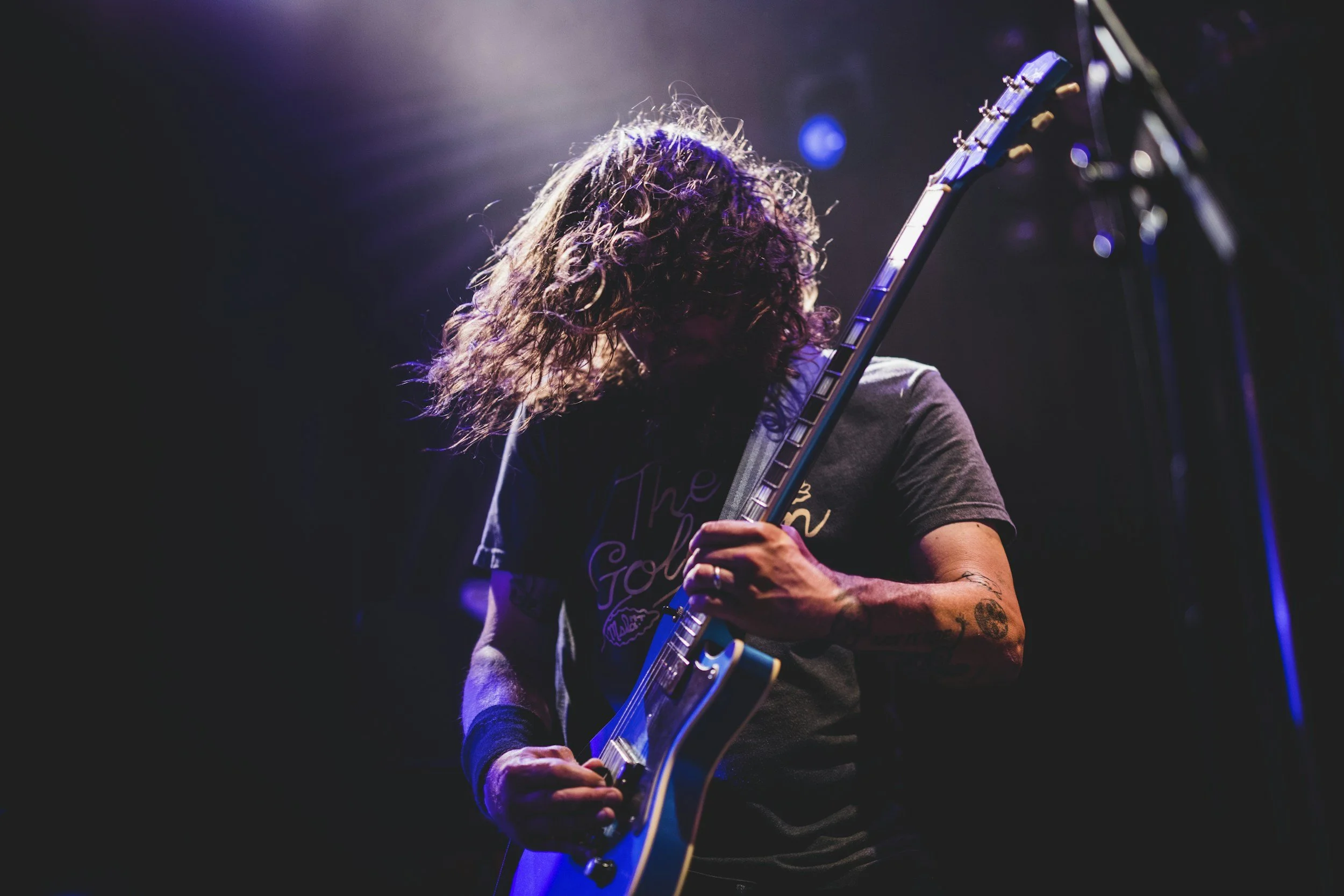
Dude be rocking
Rock: The DIY Ethos
Buzzcocks — Punk Pioneers of Self-Releasing
In early 1977, this English punk band borrowed money to record and release their Spiral Scratch EP on their own New Hormones label—becoming one of the first punk bands to self-publish.
Impact: Their actions helped define independence as both a creative and business choice in British punk and indie rock.
Radiohead — Digital Independence with In Rainbows
In 2007, Radiohead shook the music world by self-releasing In Rainbows with a "pay-what-you-want" pricing model, giving fans control while sidestepping the label system.
Why Independent: After years in the major-label system, they sought full control over music and distribution.
Impact: This innovative release garnered massive media attention, proving that top-tier artists could successfully challenge industry norms.
The White Stripes — Minimalism & DIY Ethic
Jack and Meg White built their reputation on strict DIY ethics and minimalist garage rock that contrasted with overproduced mainstream rock.
Why Independent: Their approach emphasized rawness, simplicity, and authenticity over polished popular formulas.
How Popular: Standout singles like "Seven Nation Army," unique videos, and intense live shows made them one of the early 2000s' most celebrated acts.
Arctic Monkeys — Internet-Fueled Breakout
Arctic Monkeys used the internet and fan-shared demos on MySpace to spread music before their first album, gaining huge grassroots support across the UK.
Why Independent: They demonstrated early understanding of internet-powered community and word-of-mouth promotion.
Impact: Their debut album, Whatever People Say I Am, That's What I'm Not, became one of the fastest-selling debut albums in UK history.
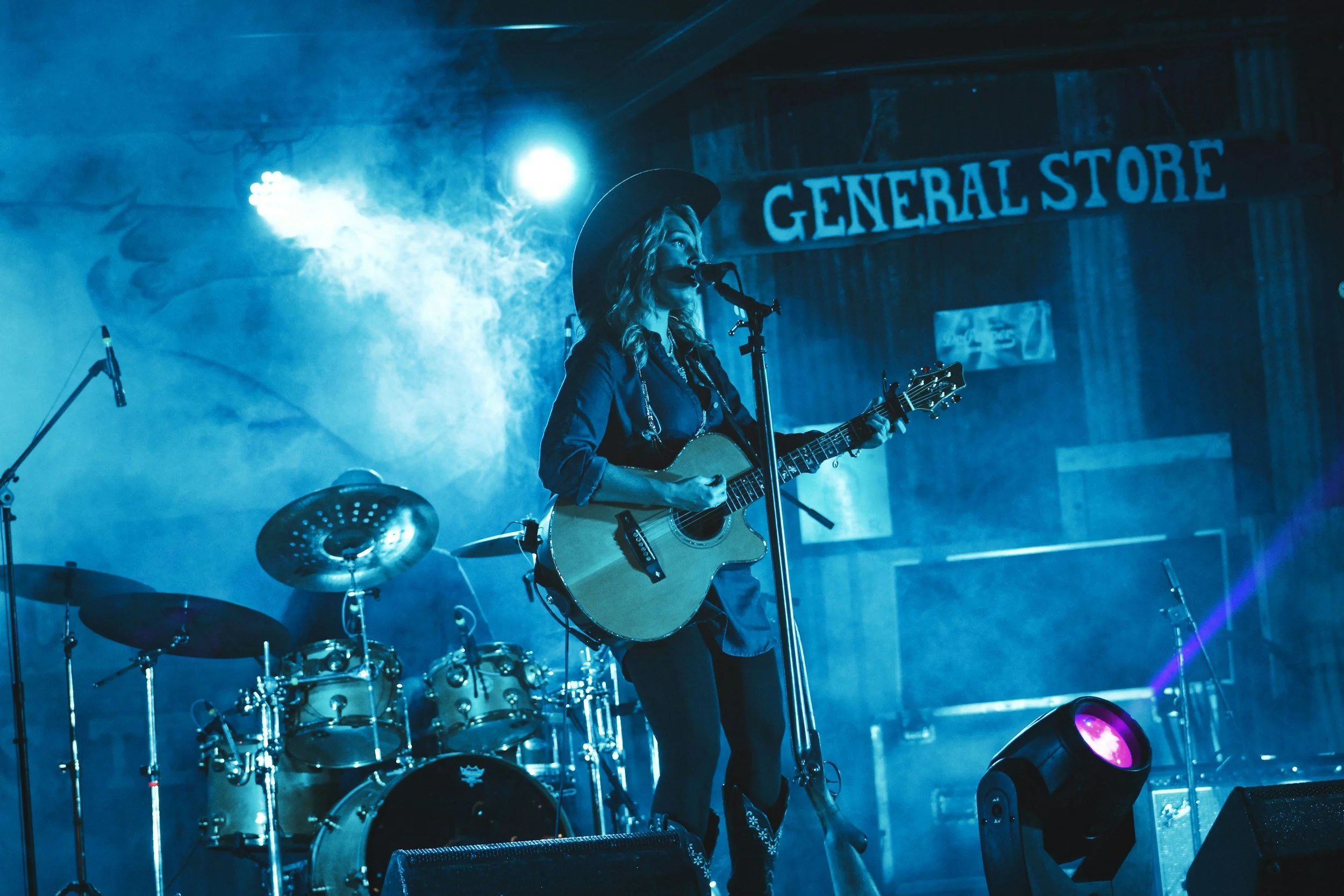
Country Singer performing
Country: Return to Roots
Tyler Childers — Appalachia's Independent Voice
The Kentucky-born singer-songwriter blends Appalachian country, folk, and bluegrass, operating through Hickman Holler Records while maintaining creative autonomy.
Why Independent: Childers prioritized artistic autonomy and authentic storytelling over corporate radio conformity.
How He Got Popular: His 2017 album Purgatory (produced by Sturgill Simpson) built momentum through honest lyrics and relentless touring, leading to arenas and international shows.
Sturgill Simpson — Outlaw Innovator
Simpson's early albums were independently released, establishing his voice outside Nashville's mainstream. Even after major-label releases, he returned to indie modes for creative control.
Impact: His critically acclaimed albums, genre-blurring style, and Grammy wins proved country could be artful, bold, and independent—influencing artists like Tyler Childers.
Cody Jinks — Texas Outlaw Country Hero
Releasing music through his own Late August Records, Jinks stays true to his roots with direct fan connections.
Success: His 2016 album I'm Not the Devil reached No. 4 on Billboard Country Albums, with subsequent releases hitting top 2—all through DIY touring and fan-first marketing.
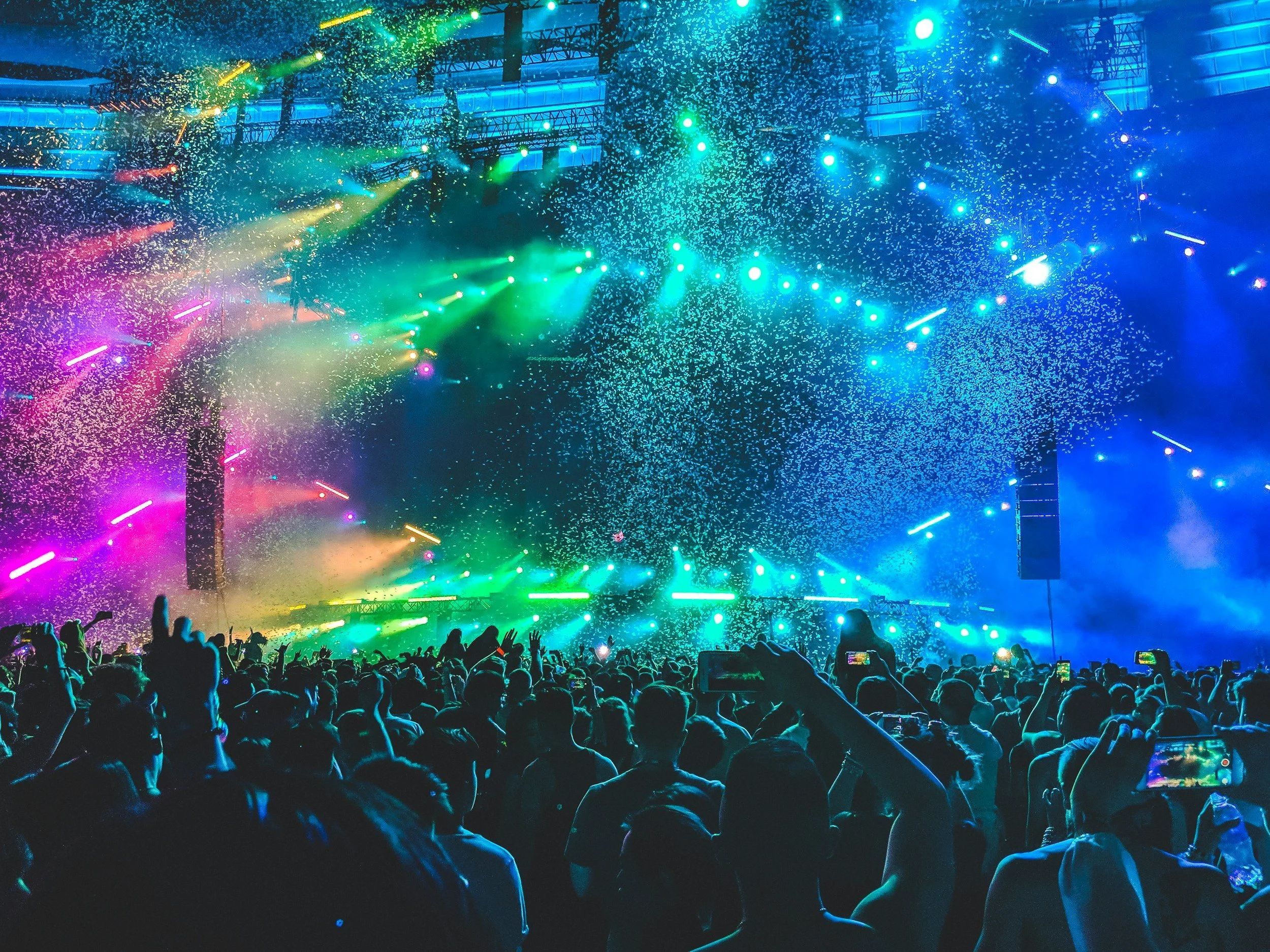
POV of a EDM show
Dance/Electronic (EDM): Label Builders
Deadmau5 — Independent Electronic Pioneer
Joel Zimmerman founded mau5trap in 2007 as a platform to release his music and support like-minded artists, evolving into a fully independent label.
Why Independent: Mau5trap manages its own publishing and rights, allowing Deadmau5 and collaborators to release without corporate constraints.
Impact: Through hits like "I Remember" and signature live shows, he maintained a strong position in electronic music for over a decade.
Skrillex — OWSLA and Independent Culture
In 2011, Skrillex co-founded OWSLA to create an artist-driven collective providing resources for boundary-pushing electronic producers.
Impact: OWSLA released seminal tracks by emerging and established artists, including Porter Robinson and Zedd, helping define early 2010s EDM and dubstep.
Rezz — Distinctive Sound & Artistic Independence
Rezz began on SoundCloud and niche labels before signing with mau5trap, maintaining creative autonomy. She later launched HypnoVizion Records.
Success: Her albums Mass Manipulation and Certain Kind of Magic helped her stand out in EDM with a unique sonic identity, winning awards and cementing independent credibility.
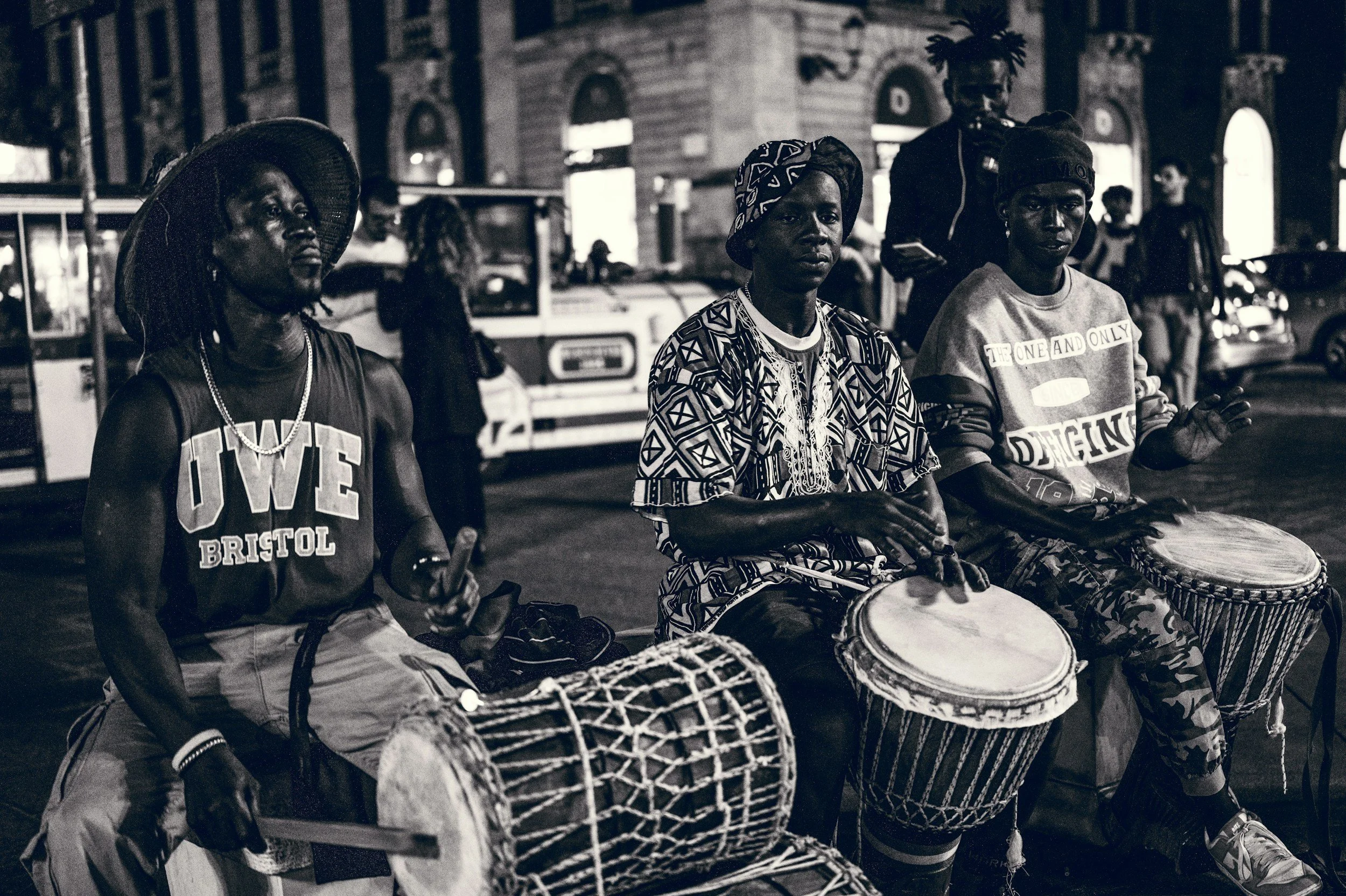
Most Afrobeats sound is based around African drum patterns
Afrobeats & Global Fusion: Changing Power Dynamics
Mr Eazi — Architect of Independent African Music
Mr Eazi (Oluwatosin Ajibade) emerged with a smooth, melodic Afrobeats style he dubbed "Banku Music." But his real legacy extends far beyond his own songs.
Why Independent: Rather than chasing traditional major-label success, Mr Eazi built emPawa Africa, a funding and mentorship initiative investing directly in African artists while allowing them to retain ownership and creative control. His vision was to fix the system, not just succeed within it.
Impact: By blending entrepreneurship with music, Mr Eazi helped launch and fund careers across Africa while maintaining global reach himself. His model showed that African artists could scale internationally without surrendering rights or identity—fundamentally changing the industry's power dynamics.
Burna Boy — Global Star, Independent Mindset
Burna Boy is one of Africa's biggest global exports, blending Afrobeats, dancehall, hip-hop, and African rhythms into what he calls Afrofusion.
Why Autonomous: Though partnered with major distributors, Burna operates through Spaceship Records, maintaining strong creative and cultural control. He consistently resists being boxed into Western industry expectations, centering African narratives on his own terms.
How He Got Popular: Albums like African Giant and Twice As Tall propelled him to global fame, Grammy wins, and stadium tours. His rise came from authenticity, powerful performances, and an unapologetically African worldview—not by watering down his sound for global audiences.
Asake — Independence Within the System
Asake is a Nigerian singer blending Fuji, Afrobeats, and street-influenced melodies into a high-energy, unmistakable sound.
Why Independent in Practice: Though signed to YBNL Nation with distribution via EMPIRE, Asake maintains tight control over his sound, visuals, and release strategy. His output is fast, fearless, and driven by instinct rather than industry pacing.
Success: A nonstop run of hits and viral moments turned Asake into one of the most-streamed African artists worldwide in record time. His grassroots energy, cultural authenticity, and relentless consistency made him dominant without traditional promo cycles.
Seyi Vibez — The People's Champion
Seyi Vibez represents a raw, emotional lane of Nigerian street music—deeply spiritual, vulnerable, and connected to everyday struggle.
Why Fully Independent: Operating outside major label structures, Seyi Vibez built his career directly with fans, releasing music frequently and responding to real-time cultural energy rather than industry timelines.
Rising Fast: His music resonates intensely with listeners, creating a fiercely loyal fanbase, driving massive streaming numbers—often rivaling or surpassing more established acts. By 2024–2025, he became proof that organic connection beats corporate push.
Odumodublvck — Independent Energy, Mainstream Impact
Odumodublvck leads Nigeria's new wave of Afro-fusion and Afro-rap, blending gritty hip-hop, drill, and local influences into a bold, confrontational style.
Why Independent Path: While collaborating widely and gaining mainstream visibility, Odumodublvck maintains a largely independent trajectory, building his brand around personality, ideology, and cultural presence rather than label-driven narratives.
How He Exploded: Viral records, high-energy performances, and sharp cultural commentary turned him into one of the fastest-rising African artists. His success came from momentum, authenticity, and commanding attention—not slow industry grooming.

Picture of K-Pop Icon Rosie
K-Pop: Breaking the Idol Mold
IU — Singer-Songwriter with Creative Autonomy
IU (Lee Ji-eun) is one of South Korea's biggest solo artists, known for her singing, songwriting, composing, and producing roles across her discography.
Why Creative Control: Unlike many K-pop idols whose music and image are tightly shaped by companies, IU has increasingly taken control over her sound and artistic direction—writing lyrics, composing songs, and serving as executive producer on her albums.
How She Got Popular: She debuted as a teen but broke into stardom with the hit "Good Day," topping Korean charts and winning critical acclaim. Her evolution into mature songwriting and genre-blending work (acoustic ballads, pop, R&B) broadened her appeal while maintaining chart dominance.
Sunmi — Defined Her Own Pop Identity
Sunmi is a Korean solo artist who originally debuted with a girl group but became influential for her unique concept-driven music often called "Sunmi-pop," blending pop, retro, disco, and personal thematic ideas.
Why Creative Involvement: Sunmi is notable for being deeply involved in songwriting, performance concepts, and stylistic choices, moving away from the cookie-cutter idol formula toward a more personal artistic identity.
Success: After re-establishing herself as a solo artist with hits like "Gashina" and "LALALAY," Sunmi's strong visual identity, catchy hooks, and conceptual videos helped her stand out while inspiring other idols to claim more creative input.
Jennie Kim (BLACKPINK) — Founder of Odd Atelier (OA)
Jennie of BLACKPINK is a globally recognized K-pop star who founded her own label, Odd Atelier (OA), for her solo ventures after leaving her exclusive contract with YG Entertainment.
Why Independence: After years within the idol system, Jennie sought greater control over her solo music, brand, and artistic direction—launching OA to build her solo identity with hands-on involvement in songwriting and production.
Success: Her earlier solo track "Solo" established her as a hitmaker outside the group, and her first full studio album, Ruby (released through OA in partnership with Columbia Records) topped charts globally, selling over a million copies and hitting mainstream Billboard charts.
D.O. (EXO) — Solo Career Under Company SooSoo
D.O. (Do Kyung-soo) is a member of EXO and a successful solo singer-actor who, after leaving his long-time label, signed with Company SooSoo—a small agency formed around his solo activities.
Why Non-Traditional Career: Moving to a boutique agency like Company SooSoo allowed D.O. greater focus on his solo music and acting, stepping outside the typical big-label idol structure and pursuing projects with more personal involvement.
Success: D.O. rose to fame as EXO's main vocalist then expanded his audience through acclaimed acting roles and solo releases (Blossom, Bliss) where he contributed songwriting, growing his profile in music and film/TV—showing versatility beyond boy-band fame.
The Rose — Indie Rock Band with Artistic Freedom
The Rose is a South Korean band known for their indie rock/alternative pop sound. Rather than being a typical idol group manufactured by a big company, they began as buskers and built their career writing and performing their own music.
Why Independence: Early on, the members formed their own collective (Windfall) and focused on writing and performing music together rather than being pre-assembled by an entertainment company. They've partnered with indie and international labels while keeping creative control over songwriting, production, and artistic direction.
Success: Their debut single "Sorry" helped them break internationally, and The Rose has toured globally, played major festivals, and released albums that charted on Billboard. Their authentic band dynamic and emotional songwriting attracted a wide fanbase beyond typical K-pop audiences.

World music dives deep into the problems of the world, often leading to controversy
World Music: Forging New Paths
Upchurch — The Outlaw Hybrid
Upchurch fused country, rock, and rap into a sound reflecting rural life and blue-collar grit. The mainstream had no idea where to place him—and he didn't care.
Why Independent: Independence allowed him to speak freely and live loudly without compromise.
How He Got Popular: YouTube, raw authenticity, and relentless output. His fans don't just stream—they identify with his music, turning him into one of America's most commercially successful independent artists.
Tom MacDonald — Controversy as a Business Model
This Canadian rapper turned political and cultural commentary into his brand, positioning himself as an outsider challenging mainstream narratives.
Why Independent: His intentionally provocative content required independence for no censorship and full message control.
Success: Viral marketing, controversy, and algorithm mastery turn every release into an event, fueling chart-topping independent releases and sold-out shows.
Dax — The Algorithmic Storyteller
Dax centers on lyrical storytelling about mental health, faith, struggle, and motivation with emotional intensity.
Why Independent: His content thrives online, not on the radio, allowing quick releases and full ownership of viral moments.
Impact: YouTube videos regularly reach millions of views because they resonate emotionally and visually—proving impact beats playlist placement.
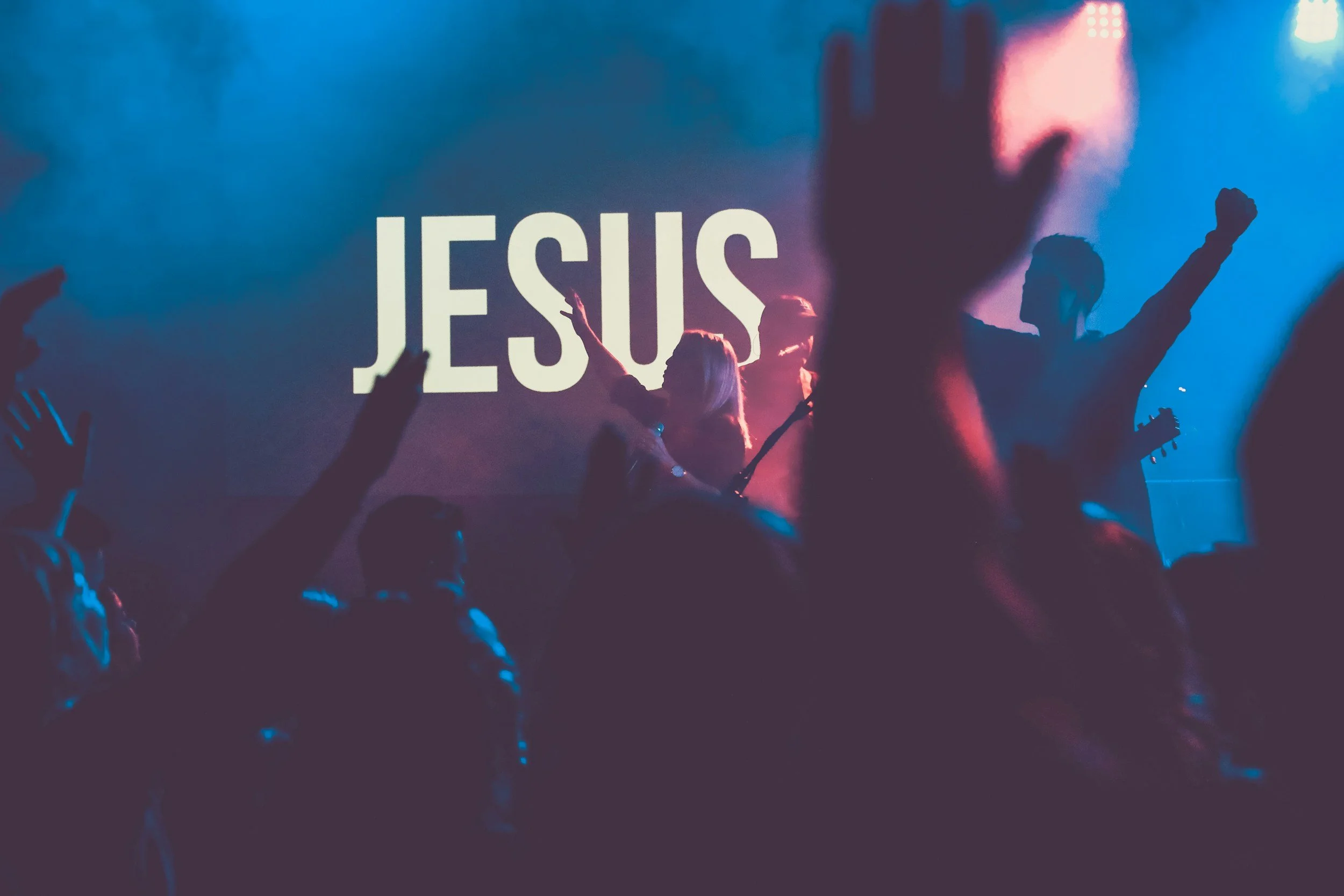
Christian music can be seen as a positive way to spread the word of Christ
Christian/Gospel: Faith-Driven Independence
Lecrae — Pioneer of Independent Christian Hip-Hop
Lecrae co-founded Reach Records, blending faith-based lyrics with top-tier hip-hop production.
Why Independent: Reach Records gave him control over artist development, messaging, and distribution without label censorship.
Success: Albums like Gravity and Anomaly broke into mainstream charts with Grammy wins, proving independent Christian hip-hop could achieve critical and commercial success.
NF — Direct-to-Fan Power
Operating under NF Real Music, NF controls every aspect of releases, touring, and branding for direct fan connection.
Success: Albums like The Search and Clouds hit Billboard 200 top spots, demonstrating that independent faith-driven music can scale massively.
Maverick City Music — Collaborative Gospel Revolution
This worship collective prioritizes artist-driven collaboration and authentic worship experiences without major label infrastructure.
Success: Albums like Maverick City Vol. 3 and Jubilee went viral through streaming and live worship sessions, gaining Billboard success while creating a new model for independent gospel.
The Takeaway: Permission Not Required
The independent music revolution proves that today's artists don't need traditional gatekeepers to succeed. Through conviction, community, consistency, and truth, musicians across every genre are building sustainable careers on their own terms.
They're not just surviving—they're thriving, creating better music, maintaining ownership, and building deeper connections with fans who truly care about their art.
The future of music isn't controlled by labels. It's powered by artists brave enough to bet on themselves.
