

The Rise of Independent Music & Artists Who Own Everything
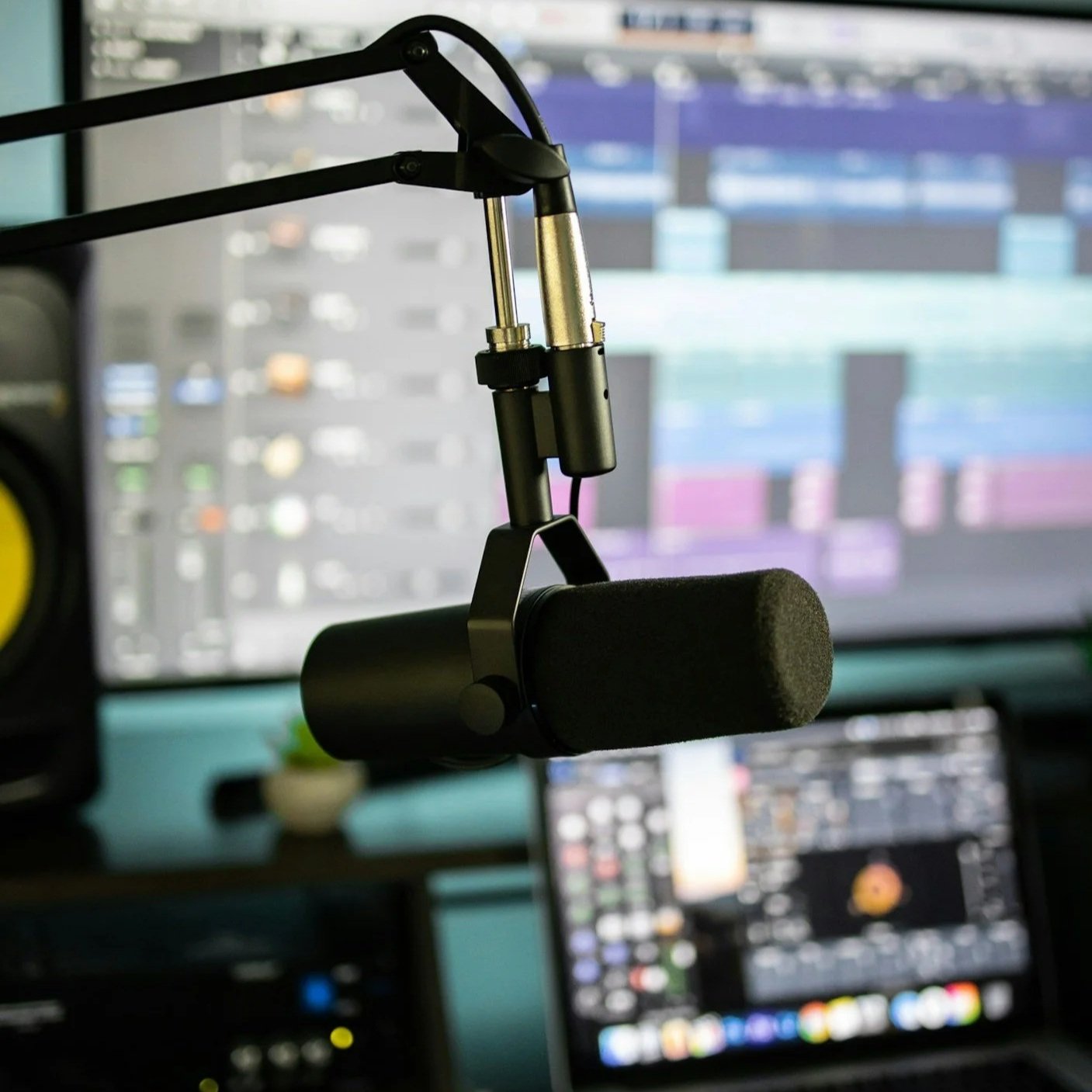
An example of a bedroom studio
Welcome to The Fruitful Three Show. Today, we explore the evolution of independent music and the artists who've built empires without sacrificing creative control. In this episode, we're diving deep into what it truly means to be an independent artist in today's music industry—and why underground music isn't just about being unknown, but about owning your art and your future.
What Is Underground Music Really About?
Underground music isn't defined by chart positions or streaming numbers. It's a philosophy built on independence by choice. This movement exists outside mainstream control, driven by creative freedom, community, and ownership rather than algorithms, labels, or profit formulas.
Instead of chasing virality, underground artists build real connections through DIY shows, local scenes, and online niches like Bandcamp, SoundCloud, and Discord. It's not a genre—it's a mindset rooted in counterculture where authenticity matters more than mass appeal. This philosophy has shaped modern music and remains the backbone of the independent artist movement.
The History of Independent Music
Independent music began not as a genre but as a rebellion. Its modern origin traces to 1977 when the Buzzcocks self-released Spiral Scratch, proving that artists could bypass major labels entirely and still reach an audience. This act of autonomy laid the philosophical foundation for what would become the indie movement.
Through the late 70s and into the 80s, independent labels and college radio stations became the lifeblood of this movement. In the United States, bands like R.E.M., The Smiths, and The Cure thrived outside mainstream pop's synth-driven polish, emphasizing introspection, mood, and authenticity over commercial gloss.
By the mid-to-late 1980s, independence became fertile ground for experimentation. Sonic Youth emerged from New York's underground art scene, dismantling traditional song structures through noise and radical sonic exploration. The Pixies injected surrealism and their legendary quiet-loud dynamic into alternative rock, quietly creating the blueprint for the grunge explosion that followed through Nirvana, Soundgarden, and Pearl Jam.
The 1990s marked a turning point when indie ideals collided with mass exposure. Grunge bands dominated global charts under the umbrella term 'alternative rock,' with Nirvana's success shattering the illusion that independent-minded music had to remain underground. Meanwhile, Britpop acts like Oasis and Blur brought British guitar music back into popular consciousness.
Out of this era emerged artists who refused to stagnate. Radiohead began with 'Creep' but evolved into one of the most boundary-pushing bands in modern music, rejecting industry norms sonically, structurally, and economically. Their approach reaffirmed indie as an artistic philosophy rather than a market category.
In the early 2000s, independent music underwent a revival. The Strokes, White Stripes, The Hives, and The Vines stripped rock back to its raw essentials, reviving garage rock and reasserting simplicity as a form of resistance. As the genre matured, bands like Arcade Fire and Modest Mouse expanded indie's emotional and sonic scope, while Arctic Monkeys represented a new digital frontier, rising organically through internet culture.
The Rise of the Modern Independent Artist
We're living in the first era of history where artists actually don't need the traditional music industry to build careers, reach audiences, and earn a living. Modern tools have opened doors that didn't even exist 10-15 years ago, fundamentally reshaping the music landscape.
Today's Technology and Infrastructure Make Independence Strategic

An example of a loyal fan base
Record at home: Affordable recording gear and digital audio workstations mean you can produce professional-quality music without expensive studio time. The bedroom producer has become a legitimate force in modern music.
Distribute globally: Using platforms like DistroKid, CD Baby, and TuneCore, artists can put their music on Spotify, Apple Music, TikTok, and more—reaching anyone, anywhere the moment they upload.
Build a fan base directly: Artists don't have to wait for radio play or label pitches. They connect directly through social media platforms, mailing lists, Discord communities, and short-form content on TikTok, Instagram, and Facebook Reels.
Sell directly to fans: Platforms like Bandcamp, Bandzoogle, and Patreon let artists sell music, merch, subscriptions, VIP access, and more—often keeping a huge share of revenue. Some artists even set up 'pay what you want' models on their own websites, building goodwill while maintaining income streams.
Why Artists Choose to Stay Independent
Many artists choose not to chase mainstream fame because they gain real advantages by staying indie. Here's what independence offers:
Full Creative Control
When you're independent, you call every shot—from sound and visuals to release strategy, collaborations, and brand identity. That freedom lets artists push boundaries without corporate edits or trend bias.
Higher Profit Per Fan
Without labels taking big cuts, indie artists can keep far more of what they earn, especially from direct sales and merch. Selling direct can mean keeping 70-90% of revenue compared to a much smaller percentage from streaming. Tech N9ne is a perfect example—he's one of the richest indie artists out there precisely because he owns everything.
Direct Relationships with Listeners
Indie artists talk to fans directly through email, livestreams, social media interactions, fan clubs, and subscription platforms. This strengthens loyalty and turns casual listeners into real supporters.
No Censorship Pressure
Independent creators don't have to tweak lyrics, visuals, or messages for radio executives or corporate sponsors. If you sign with a label, they'll listen to your music with a board and request changes. Suddenly, it's not really your song anymore—you're changing everything from your original message. Honesty and risk-taking remain intact when you own your work.
Stronger Legacy and Sustainability
Indie careers aren't built on algorithm spikes. They're built on relationships, art, and community—leading to stronger careers, cultural impact, and authentic brand stories that fans truly care about.
What the Numbers Say
The data backs up this shift. Independent music is now generating billions in revenue and streams, increasingly rivaling major label payouts on platforms like Spotify. Independent artists made up around half of total payouts—a historic high. The indie sector is projected to keep growing in the coming years.
Tens of thousands of independent artists are earning meaningful income from streaming and direct fan support. The middle class of artists earning sustainable revenue has tripled in recent years. This shift is fundamentally redistributing power and income in the music world.
The Underground Icons Who Paved the Way
Let's look at the artists who've proven that independence isn't just viable—it's powerful.
NF: Emotional Authenticity Without Compromise

NF (Nathan Feuerstein) grew up in Michigan and used music as an emotional outlet from a young age, watching his mother struggle with pill addiction and his family fall apart. He started by recording on a karaoke machine before he had access to real equipment. His first album, Moments, was released independently in 2010.
Though he eventually signed with Capitol Christian Music Group in 2014, NF maintained a reputation rooted in authenticity rather than industry games. His breakout projects Perception and The Search both debuted at number one on the Billboard charts and earned platinum certifications—not by chasing trends but by sticking to deeply personal themes and direct fan connections.
Around 2016-2017, he negotiated to have NF Real Music as his own label company and has stuck with the underground indie artist style ever since. His success shows that independent ethos and core identity can translate into massive cultural impact.
Tech N9ne: The Blueprint for Independent Hip-Hop
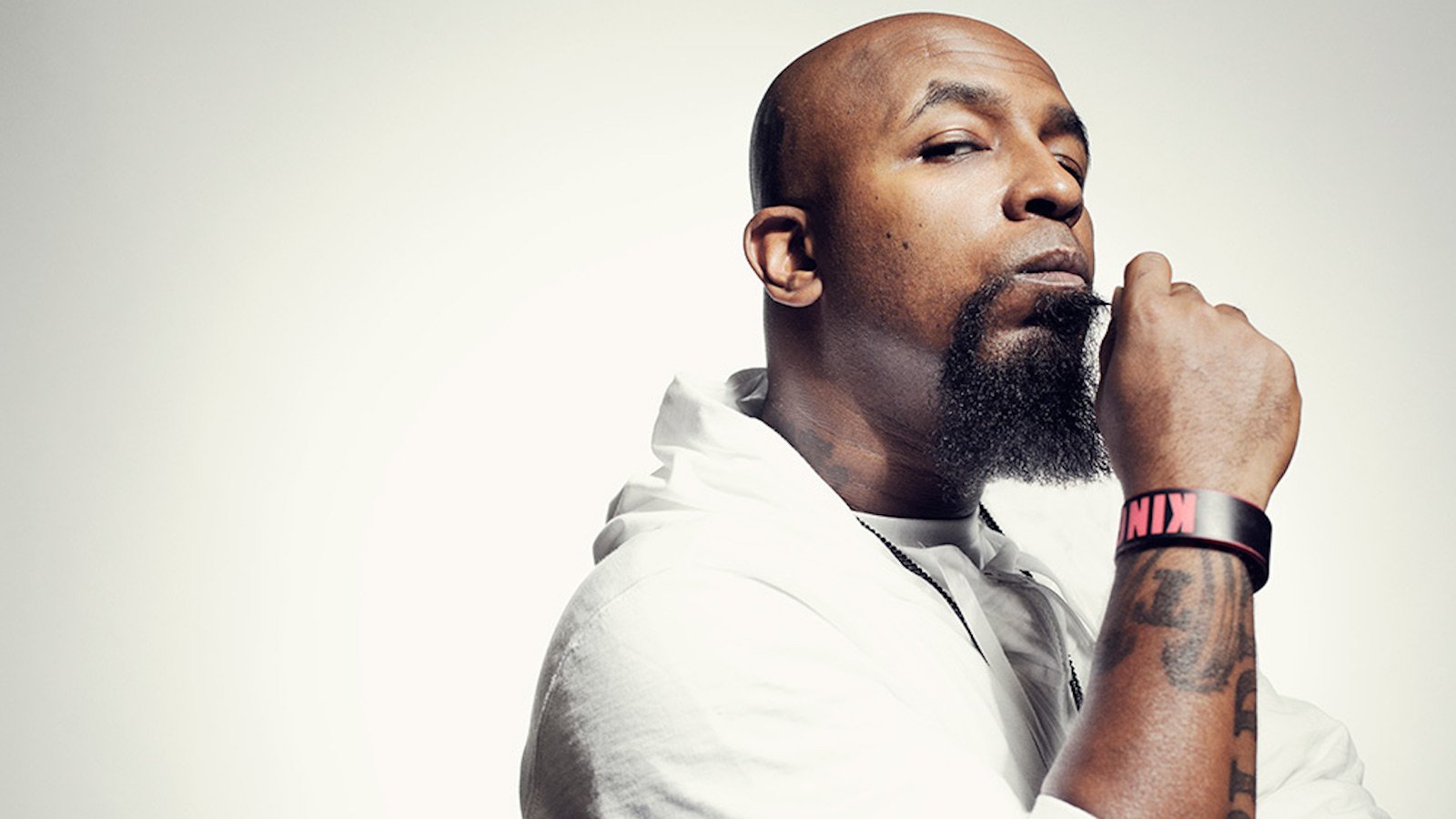
Tech N9ne (Aaron Yates) is one of the classic examples of a truly independent hip-hop legend. Starting in the early 1990s, he dealt with major label setbacks before co-founding Strange Music with Travis O'Guin in 1999—a label designed to give him full creative and business control.
The name 'Strange Music' came from his obsession with The Doors' song 'People Are Strange' (1967). Since people called his music strange and weird, he embraced it. After being signed and dropped by four or five different record labels that thought his music was 'whack,' he took control.
His 2001 album Anghellic marked a turning point. He continued grinding through countless albums, tours, and collaborations without ever selling his brand to a corporate imprint. Strange Music grew into one of the most recognizable independent labels in hip-hop, selling millions of albums and consistently charting on Billboard without mainstream radio support.
Tech became known for his rapid chopper style and relentless touring—often 100+ shows a year—building a global fan community that supports him directly. He's the blueprint for how an artist can build an independent empire: label, merch, tours, fan base, all outside corporate control. He has tons of money and massive respect industry-wide, collaborating with major artists without needing to sign away creative or financial control.
Jelly Roll: From Underground to Mainstream Phenomenon
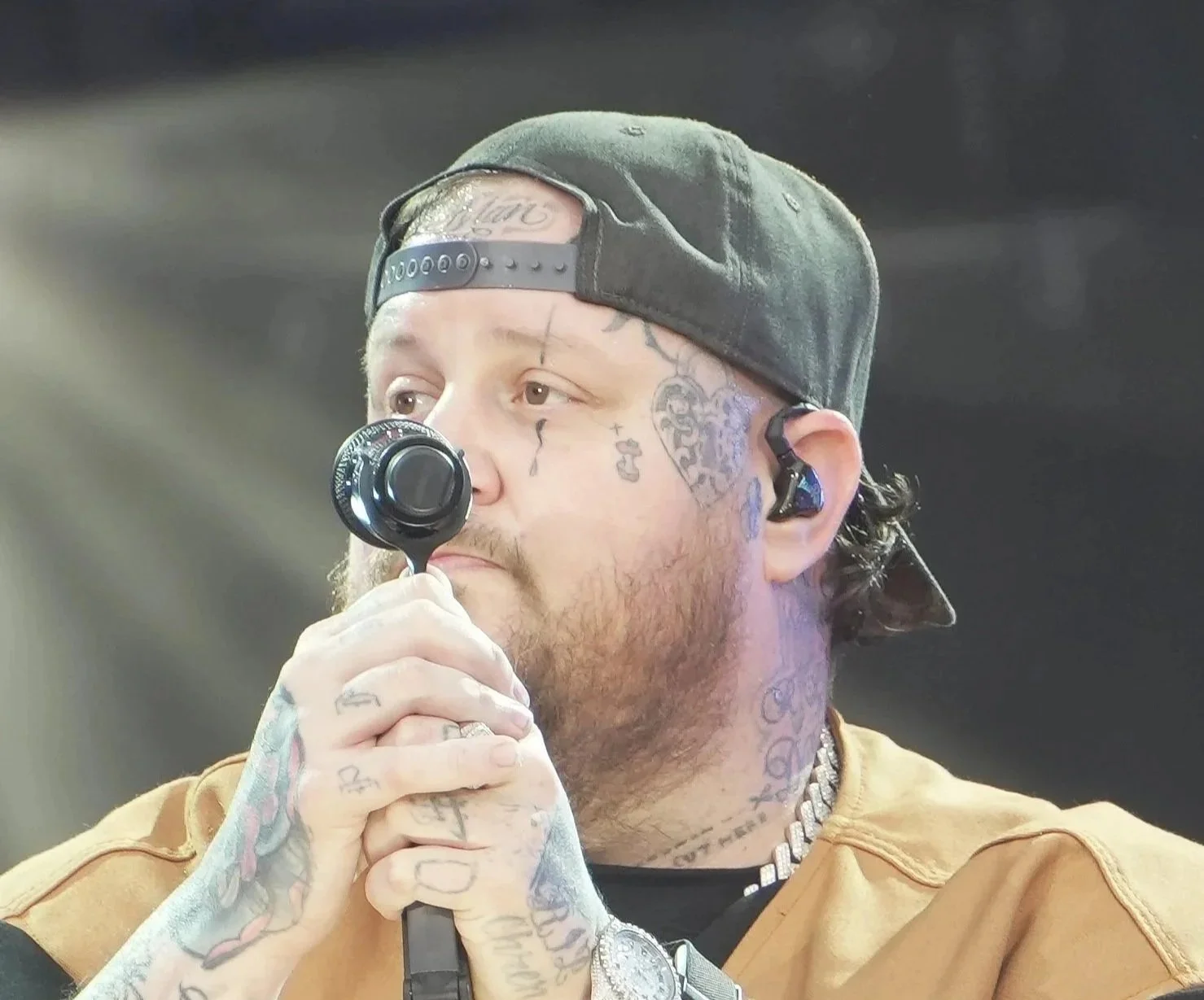
Jelly Roll (Jason DeFord) started in hip-hop circles selling mixtapes from his car and building a regional underground presence in the early 2000s. His early work—mixtapes like Gambling on a White Boy and tracks like 'Popping Another Pill' with Lil Wyte—racked up millions of views online and connected him with independent hip-hop communities.
Over time, he blended rap with country and rock elements, crossing genre lines. Someone told him to write something raw and authentic about his real life. He did, and they made a country version of it. It resonated because it was real—a drug addict who went to jail, found Christ, found his wife, and turned his life around.
Albums like Ballads of the Broken produced chart singles and established Jelly Roll in both country and rock spaces. He went from being a nobody to a mainstream icon in just a few years. His story is underground in the classic sense: starting without industry backing, selling tapes, grinding for years, then breaking through by evolving his sound and telling authentic stories.
Ryan Upchurch: The Nashville Rebel
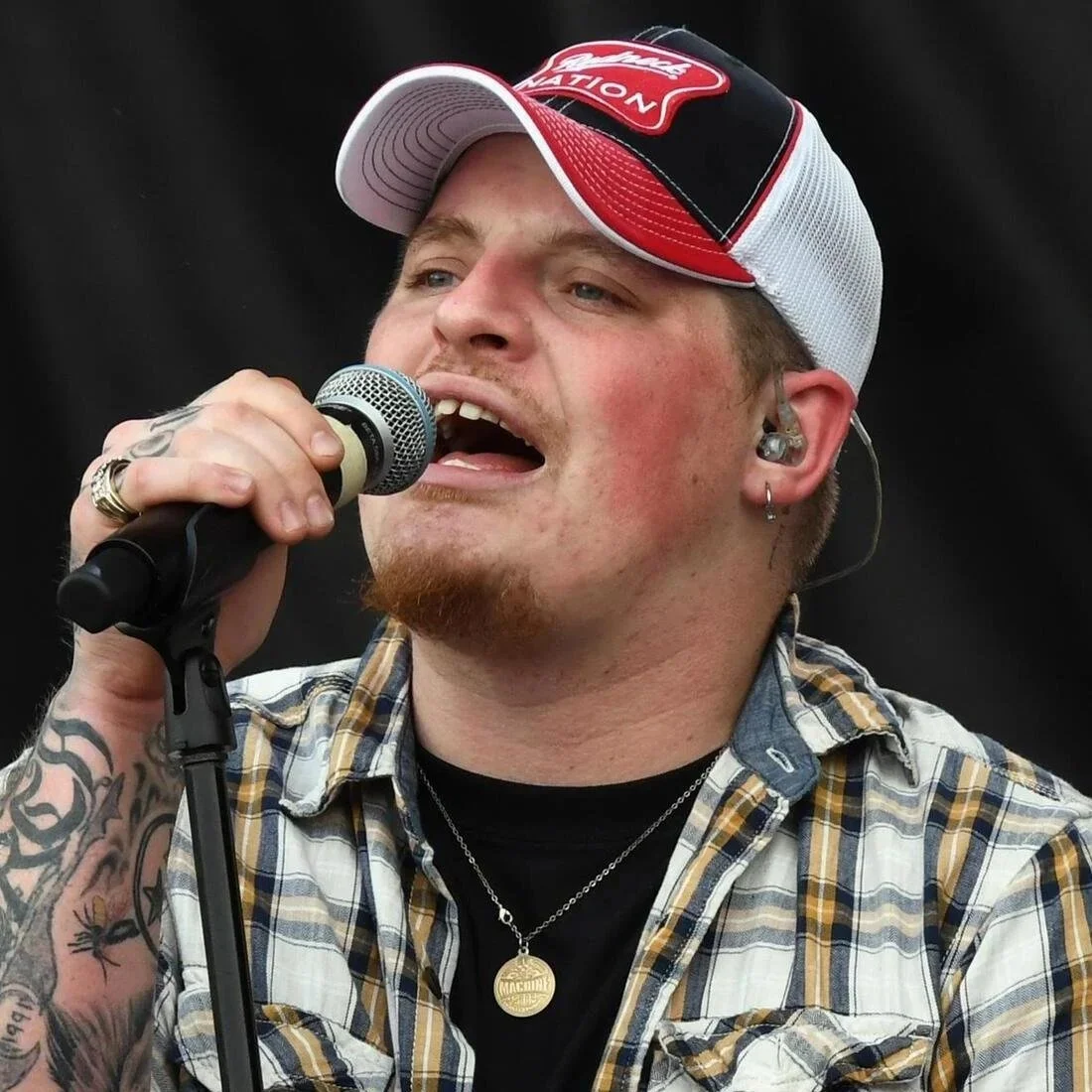
Ryan Upchurch hails from Cheatham County, Tennessee, and began building an audience by uploading comedy videos online long before he had a record deal. He blends country, hip-hop, rock, and comedy into a style that defies easy categorization, cultivating a huge independent streaming presence without traditional label support.
Upchurch's early releases charted on Billboard even though he operated completely outside the Nashville system. He's sold millions of streams and records based almost entirely on direct fan engagement rather than industry push.
But Upchurch isn't just independent—he's openly critical of the Nashville country industry. He calls out what he sees as manufactured country music 'written by committees, optimized for radio, and stripped of real-life experiences.' He rejects industry gatekeeping and mocks the idea that labels decide who is 'country enough,' exposing the politics of Music Row through diss tracks and direct messaging.
Upchurch doesn't wait for validation. He builds his own empire through YouTube, social media, and streaming platforms, selling merch, tickets, and albums directly to fans. In doing so, he demonstrates that radio spins and label deals are not measures of success—fans are.
His rebellion is both philosophical and practical. He argues that country music should represent real struggle, working-class life, and authenticity—not a sanitized corporate brand. By openly challenging the system and thriving outside it, Upchurch exemplifies how underground artists can forge their own path and maintain creative control.
Russ: Consistency, Ownership, and Self-Belief
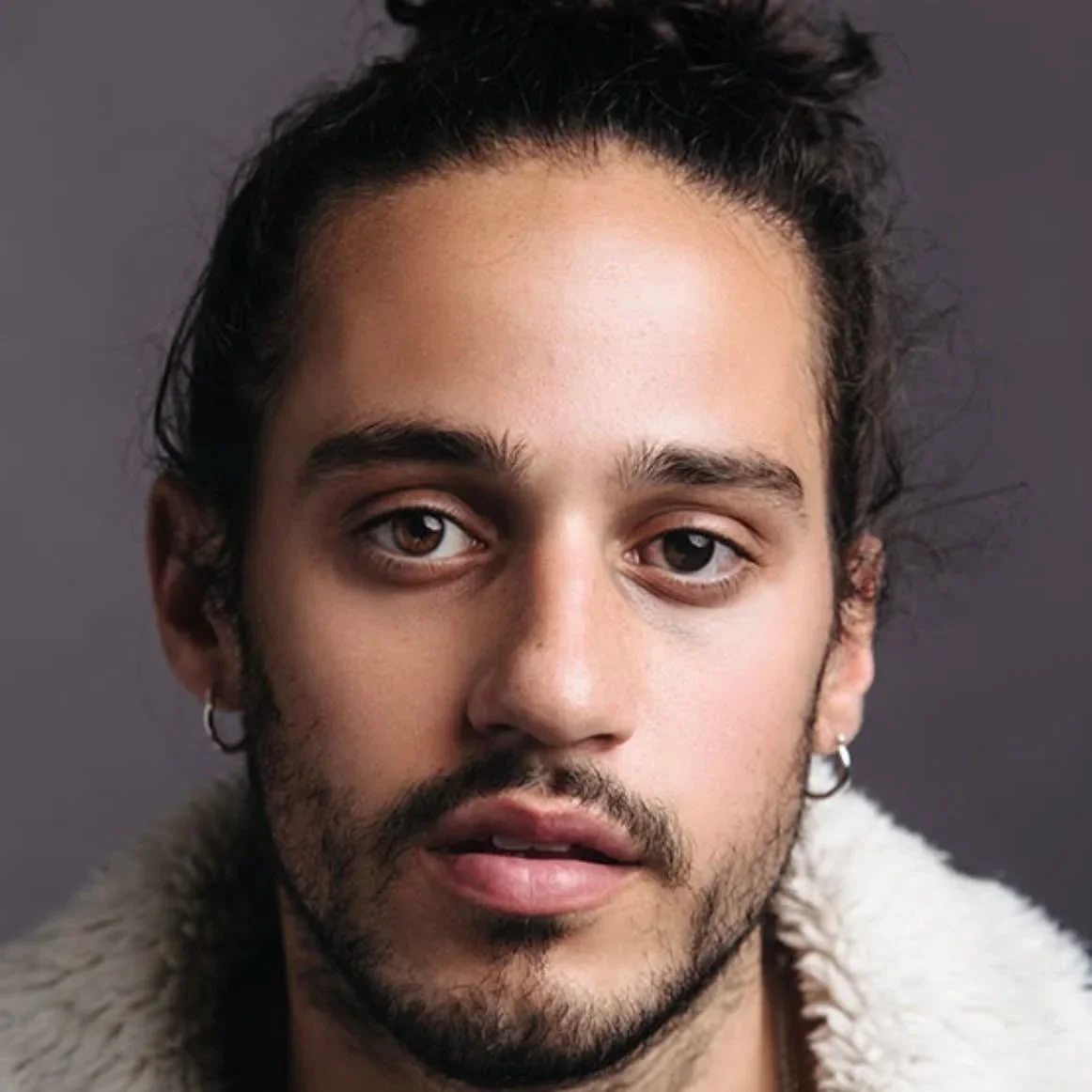
Russ (Russell James Vitale) was born in New Jersey and raised between New Jersey and Atlanta. He began making music in his early teens and committed to full independence, teaching himself how to record, mix, master, produce, and distribute his own music.
Between 2011 and 2014, Russ released 11 albums independently, building skill, catalog depth, and a direct relationship with listeners long before mainstream attention. His breakout moment came from a relentless consistency strategy: releasing one song per week over two years on SoundCloud.
When he signed with a label, he told them: 'I'm still going to do this whether you take the deal or not. You're idiots if you don't let me because I'm building a fan base that's going to make you money and make me money.' Songs like 'What They Want' and 'Losin Control' gained massive organic traction without radio or label backing.
When he eventually signed with Columbia Records, it was a distribution-focused deal, not a traditional artist contract. He retained ownership of his masters, maintained creative control, and used the label primarily for scaling reach—not decision-making. They called him an idiot for it. He succeeded.
Russ is vocal about artist education, publishing, and transparent breakdowns of royalties and contracts. He monetizes streaming at scale, tours independently, and reinforces self-belief and discipline. His book, It's All in Your Head, reinforces his belief in mental discipline, delayed gratification, and self-trust.
Russ proves that independence is a skill set, not just a label status. He built leverage before visibility, flipping the traditional artist trajectory. His success came from catalog depth over singles, fans over algorithms, ownership over advances.
Ren: Radical Vulnerability and Theatrical Artistry
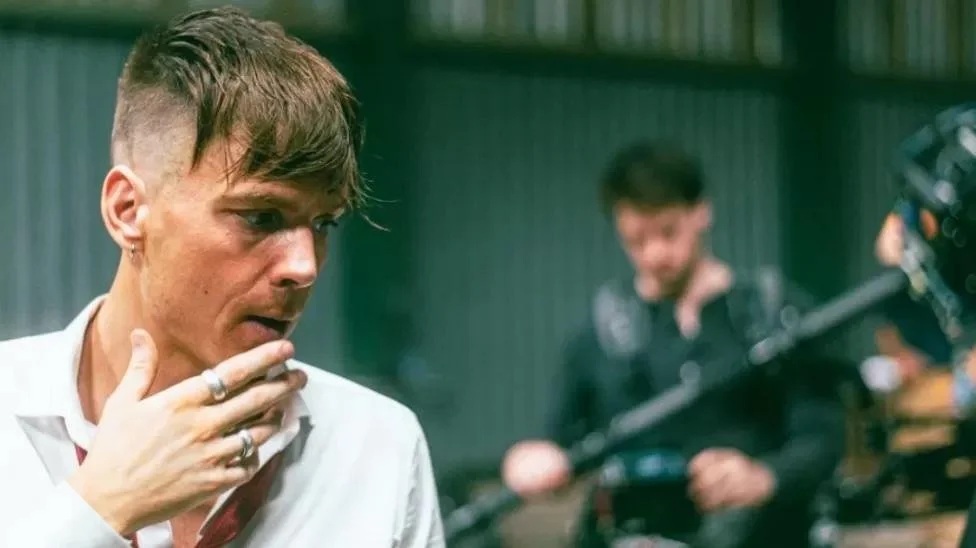
Ren is a Welsh singer, rapper, producer, and multi-instrumentalist from the UK. As a teenager, he was part of a band called Trick the Fox. But his life took a traumatic turn after developing severe health issues in his late teens. He was misdiagnosed for years before being correctly diagnosed with Lyme disease and autoimmune-related complications, leaving him battling chronic pain and neurological symptoms.
During years of illness and isolation, Ren turned inward, teaching himself deeper levels of songwriting, production, and performance while documenting his mental and physical struggles through music. He built his audience largely without traditional label machinery, using YouTube live performances and direct fan engagement online.
His breakout moment came with 'Hi Ren' in 2022—a live one-take performance video where he theatrically portrays a conversation between himself and his inner darkness. The video went viral not because of industry push but because of raw emotional honesty, theatrical beauty, and word-of-mouth sharing across mental health communities and musicians.
Ren maintains strong creative control, often producing his own tracks and filming unique live performance videos that blend visual storytelling with music in ways labels rarely fund for unknown artists. He's genre-fluid, blending hip-hop, folk, rock, spoken word, and theatrical performance. He even does covers of classic rock bands that are absolutely amazing.
His music often feels like a stage play in song form—character-driven, emotionally layered, and narrative-heavy. He tackles mental health battles, chronic illness, addiction and recovery, self-confrontation, and the corruption of politics without forcing views on listeners.
Ren represents a form of underground artistry rooted in radical vulnerability. Instead of flexing success, his brand is built on truth, pain, and survival. He challenges the polished image culture of the music industry by showing that imperfection, fragility, and internal struggle are strengths.
His work resonates deeply with mental health communities, people living with chronic illnesses, and listeners who feel unseen by mainstream party or image-driven music. Ren proves that authentic storytelling can travel farther than marketing budgets in the digital age.
The Bottom Line
The rise of indie artists isn't a fad—it's a structural transformation. Artists can now record professional music on their own, distribute it worldwide without gatekeepers, build loyal fan bases they truly know, and generate sustainable income through multiple channels without sacrificing control or message.
That's why independence isn't just an alternative—it's the new mainstream for creators who value truth, ownership, and long-term impact.
These artists aren't just musicians. They're examples of how artists can build real power and cultural impact from the ground up, on their own terms:
NF: Direct fan loyalty through emotional authenticity
Tech N9ne: Full ownership plus relentless grind
Jelly Roll: Genre evolution and grassroots growth
Ryan Upchurch: Internet versus industry plus cross-genre innovation
Russ: Consistency, catalog depth, and ownership over advances
Ren: Radical vulnerability and theatrical storytelling
Independent music exists less as a single movement and more as a vast interconnected ecosystem. Its DNA—formed by early DIY pioneers, sharpened by underground experimentation, tested by mainstream success, and revived through cycles of reinvention—lives in both underground bands and globally recognized artists.
From Sonic Youth's noise experiments to Radiohead's reinvention, from The Pixies' quiet-loud chaos to The Strokes' revivalist cool, indie remains what it always was: music defined not by charts or labels, but by artists' freedom, risks, and refusal to follow a prescribed path.
