

The Underground Music Revolution: Why Independence Matters Part 1

Picture of a Home Studio
Welcome to a conversation that's been a long time coming. We're pulling back the curtain on something that's been transforming music right under everyone's noses—no billboards, no corporate push, no industry permission required. We're talking about underground music and the unstoppable rise of the independent artist.
Here's the real truth: some of the most powerful, honest, and soul-shaking music being made today isn't coming out of million-dollar studios or major labels. It's coming from bedrooms, basements, garages, and churches. It's being created on hard drives and laptops during late nights fueled by faith, frustration, and something real to say. This isn't a trend—it's a movement. And most people have no idea just how big it's become.
What Is Underground Music, Really?
Underground music isn't just a fancy word for "unknown." It's a whole philosophy and way of creating—not a chart position. Calling something underground is about more than popularity. It's about structure, intention, independence, and resistance to mainstream control.
Music Outside the Mainstream
The term "underground music" refers to music that exists beyond or against the dominant music culture, often embracing creative freedom, sincerity, and artistic expression rather than commercial formulas. It's music that doesn't rely on mainstream platforms, trends, or big marketing budgets to exist.
Independent in Spirit
Underground music is usually independent or self-funded, produced with little or no major label involvement. It's driven by the artists themselves rather than corporate executives, often ignored or resisted by mainstream media and commercial channels, and built through community support rather than billboards, ad dollars, or big studio budgets.
This means authenticity, intention, and ownership matter more than viral numbers—especially at first.
Culturally Driven, Not Algorithm Driven
Mainstream music often follows patterns designed for mass appeal or algorithm boosts. Underground music spreads through word of mouth, local scenes, DIY shows, independent radio, online communities, and grassroots movement building. Not because a playlist put it there, but because real people connected with it.
That's why many underground artists:
Record and release their own music
Book their own shows
Build fan bases organically
Collaborate deeply with local scenes
Push boundaries rather than fit templates
It's a Different Mindset
Underground isn't about being unknown by accident—it's about being independent on purpose. It's less about sound and more about identity and intention. Underground isn't a genre like rock or hip-hop. You'll find underground artists working in nearly every style. The common thread isn't the way it sounds—it's the way it's made and how it's shared.
It's creative work that isn't packaged for mass markets, but for real connections and expression.
Why Does Underground Music Exist?
Creative Freedom: The Core Reason
The biggest reason underground music exists is creative freedom. Mainstream music, especially music backed by major labels, is often optimized for broad appeal, quick consumption, and predictable revenue. That means sounds and messages are shaped to appeal to as many people as possible, which can strip out depth, conviction, or risk in favor of mass-market friendliness.
There's been a big push of artists going independent, like Taylor Swift, who started getting away from label control. The Beastie Boys broke away from Def Jam Records in the early 2000s because they were being held back. Artists like Russ told the industry he's going to release music no matter what the contract says. NF has his own label under a larger umbrella.
Underground music exists because artists refuse to let corporate constraints define their work. Instead, it prioritizes:
Raw honesty
Experimentation
Long-term identity
Unfiltered expression
This freedom lets artists talk about things that might make major commercial entities nervous—like faith, society's decay, politics, and uncomfortable truths—without sanding the edges off. When you don't answer to shareholders, you can answer to truth.
A Reaction to Industry Control
The underground also exists as a reaction to music industry control and commercialization. When the industry becomes exploitative, repetitive, or formulaic, artists push back, and underground movements emerge as alternative ecosystems where creativity isn't sold as a product.
We've seen this pattern for decades:
Punk vs. Corporate Rock: Punk's DIY rebellion was a direct refusal of polished commercial rock culture
Underground Hip Hop vs. Commercial Rap: Artists maintained lyrical complexity and social critique outside mainstream trends
Lo-fi and SoundCloud Waves vs. Polished Pop: Home-recorded artists built followings without major label infrastructure
At its core, underground music is resistance music—a statement that artists are done waiting for permission to be heard. This resistance isn't about sound or style. It's about ownership, community, and autonomy: creating music on your own terms and connecting directly to other people who get it.
DIY Ethos and Community Building
Underground music thrives because artists and fans form communities that support creation instead of consuming packaged culture. This do-it-yourself ethos goes beyond recording at home. It's about:
Self-producing and self-releasing music
Booking shows in garages, basements, churches, and independent venues
Creating online forums and local scenes that amplify voices outside the mainstream
Forming grassroots networks rather than relying on major corporate structures
This community-based approach not only fosters creative experimentation but also cultural cohesion—people who share values, identity, and a sense of belonging. The underground isn't just a musical label. It's a social ecosystem that pushes culture forward through real relationships and real expression.
One great example: Luna at 104.1 The Blaze does "Local Bandwidth" every Sunday night. If you're a rock band and you record your own music and send it to Luna, she'll play it for three to four hours on her show. She's helping local bands that are trying to start and get a name for themselves get pushed across the airwaves. She even promotes their shows on the radio and on the website. That's real community support.
Innovation Happens When Constraints Fall Away
Ironically, by rejecting commercial pressures, underground music often becomes a source of future mainstream innovation. Many styles that dominated later generations—from punk to hip-hop to electronic subgenres—began outside the mainstream and challenged the status quo before being recognized more broadly.
The underground isn't stagnant. It's fertile. It's where new sounds, identities, and movements grow before they're ever packaged for mass markets.
The bottom line: Underground music exists not because it's unknown, but because it's authentically free, culturally resistant, driven by community (not corporations), and created to express truth, not trends. When artists refuse to serve shareholders, they begin serving something deeper: their truth, their story, and their community.
How Underground Music Actually Spreads
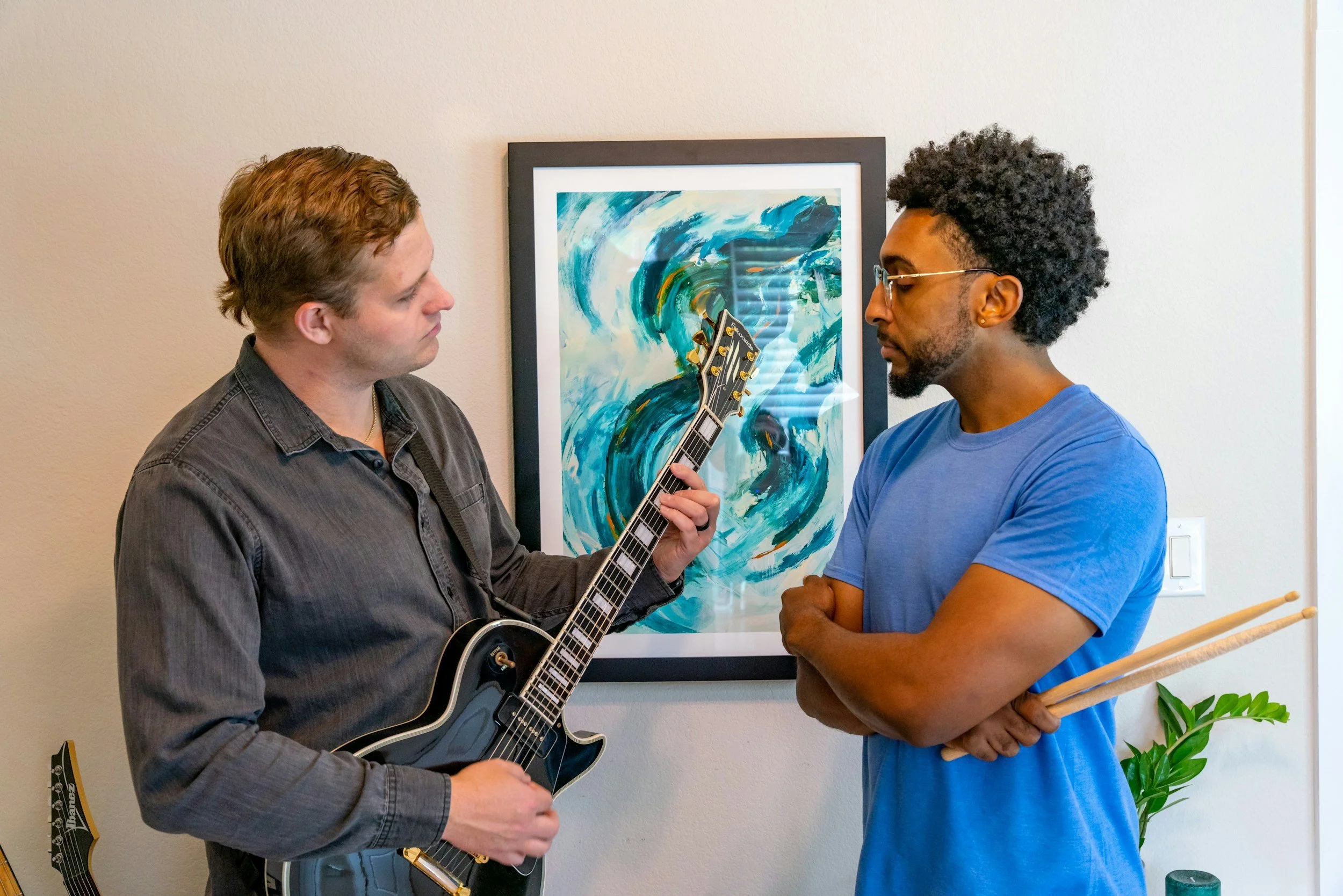
Music grows through word of mouth
Here's the part people miss: Underground music doesn't spread through mainstream radio or big label pipelines. It grows organically through people, spaces, and communities—both physical and digital—that care more about connection than algorithms.
Local Scenes: Real Spaces, Real People
Underground movements have always started in real spaces: DIY venues, basements, churches, garages, college towns, and community spots where artists and fans can meet and share experiences. These venues become cultural hubs—places where new sounds are born and communities form. Even as some physical spaces decline, their spirit lives on through local events and house shows, proof that human connection still drives underground culture.
Online Niches: Discord, Reddit, Bandcamp, SoundCloud
Today, the internet is the underground—but not as a faceless algorithm. It's a mosaic of niche spaces where fans and creators gather:
Discord communities act like virtual hangouts where artists host listening parties, share work in progress, and build deep relationships with fans
Reddit threads and music forums become discovery hubs curated by real people who love underground sounds
Bandcamp and SoundCloud let artists upload music directly, bypassing gatekeepers and letting listeners explore genres that mainstream services often overlook
These platforms function more like ecosystems of discovery than marketing funnels. They spread music through shared interest, not forced promotion.
Shared Belief Systems: Community Identity
People don't just hear underground music—they belong to it. What unites underground listeners isn't merely sound. It's shared identity and values:
A DIY ethos where community support replaces corporate backing
Rebellion against mainstream conformity
Faith, philosophy, or subcultural ideals
This shared belief system drives word-of-mouth discovery as listeners recommend, repost, remix, and champion music that resonates with them emotionally and culturally.
Take Tom MacDonald, for example. He's technically signed to a record label, but it's his girlfriend's record label. He's a controversial Canadian rapper who talks about political issues in the US. A lot of people relate to his stuff because they agree with his political stance or how he questions certain political events. That's how he connects—through shared beliefs and worldviews.
Visual Identity: Aesthetics and Symbolism
Just like in subcultures of the past, underground music scenes come with visual language: logos, aesthetics, motifs, fashion, artwork, album visuals, memes, symbols, and branding that fans adopt as part of their identity.
This visual culture isn't accidental. It's how movements create belonging and recognition, and how listeners internalize the music as part of who they are. It transcends sound and becomes part of the subculture itself.
Music as Identity, Not Just Entertainment
In the underground, music doesn't just sound like something—it feels like something. When people find artists who speak their truth, express their struggles, or reflect their worldview, the connection goes deeper than a playlist.
This is why underground music often cultivates loyalty and identity rather than passive listening. It becomes part of people's personal and cultural self-expression.
Underground Does Not Equal Low Quality
Let's kill this myth right now: Underground does not mean amateur. In fact, many underground artists are deeply skilled, intentional, and serious about their craft.
What Underground Artists Actually Do
Underground artists often:
Engineer their own music from scratch
Learn mixing and mastering intricacies
Create visual art, branding, and aesthetics
Build and manage their own distribution channels
Own 100% of their masters and creative rights
The difference isn't in skill—it's in distribution and intent. Corporate marketing strategies and profit targets often guide mainstream artists, while underground artists choose independence, authenticity, and community first.
Why This Matters
Underground music spreads through real connections, shared identity, and community support rather than commercial pipelines. It's empowering a new generation of independent artists. Artists today can grow massive followings without major labels because they tap into communities that care about:
Creation, not consumption
Identity, not metrics
Culture, not conformity
The rise of social media and digital distribution has only accelerated this movement. We're witnessing a fundamental shift in how music is created, shared, and experienced.
Final Thoughts
Whether you're an artist trying to lose creative weight (the burden of corporate expectations) or just someone who believes in authentic expression, remember this: never let somebody tell you what you can or can't do. Always follow your dreams.
Stay disciplined. Stay true to yourself. The creative path might look like the chicken, rice, and broccoli meal when there's a chocolate cake (millions of dollars from a record label) right in front of you. But that disciplined choice means you own all the masters, you have community-based backing, and you maintain your creative freedom.
The underground isn't going anywhere. If anything, it's just getting started.
