

Small Town Survival: Stop Training Kids to Leave
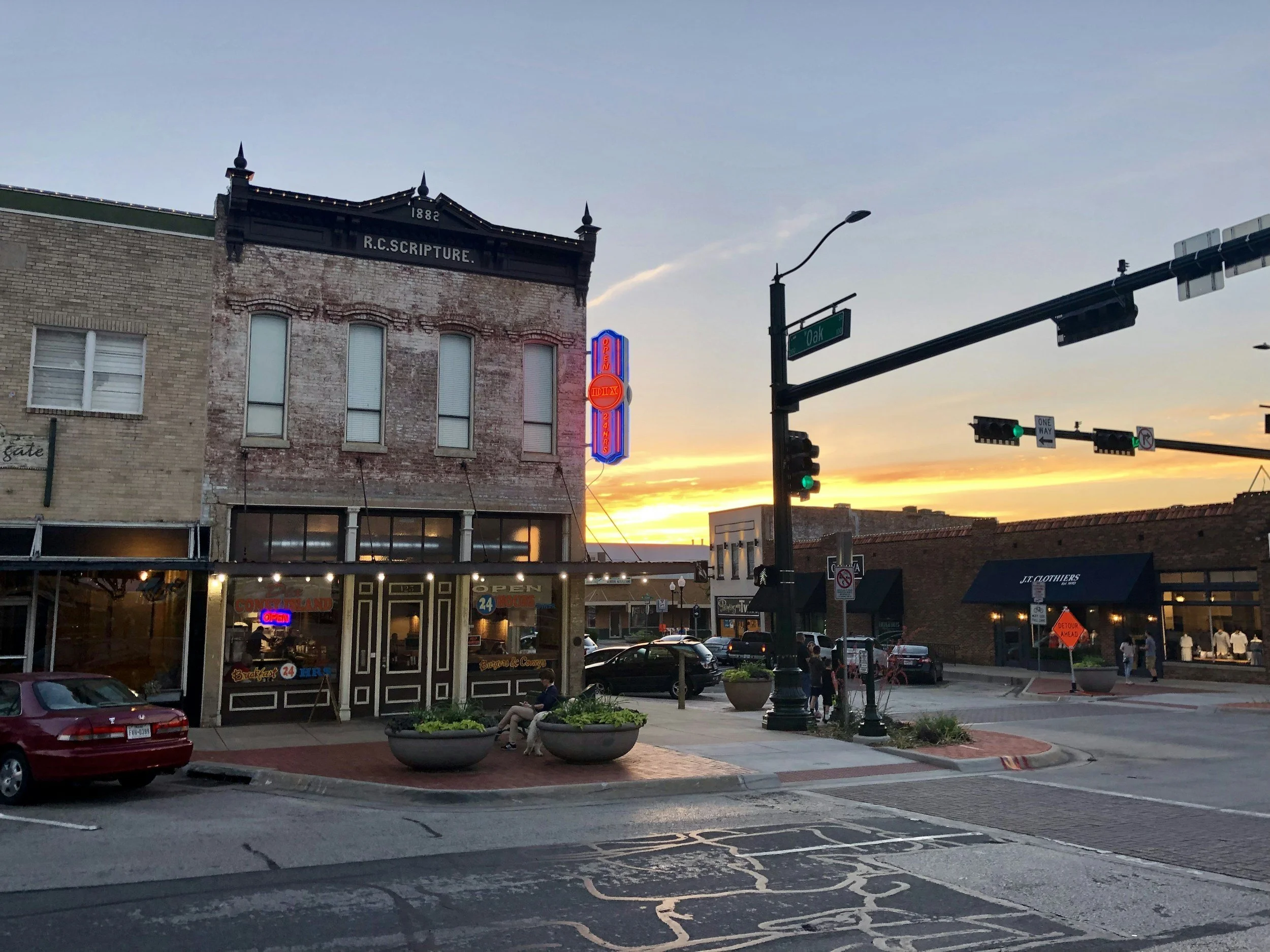
Picture of small town
How Local Economics, Alumni Engagement, and Community Building Can Revive Dying Towns
Small towns across America are facing a crisis. Schools are closing, young people are leaving, and local economies are struggling. But the solution isn't what most people think. The problem isn't a lack of big chain stores or corporate employers—it's that we've built systems designed to export our most valuable resources: our people, our money, and our future.
The Root of the Problem
About ten years ago, Levi attended a public meeting where someone asked a simple question: "How do we keep our alumni from leaving and bring them back home?" What followed revealed our community's true colors—and not in a good way.
Not long before that meeting, one of my classmates had been denied the opportunity to open a tattoo parlor in town because it was seen as "the wrong image." That moment stuck with me. Here's what I believe: If an alumns wants to come back home and build a business—whether it's a tattoo parlor or anything else—we should let them. Period.
If it creates opportunity, brings in revenue, and gives someone a reason to stay, it deserves a seat at the table. You don't have to personally do business with them if it conflicts with your beliefs, but refusing to support their dream sends a message to every other potential entrepreneur: This town doesn't want your ideas.
The Real Questions We Need to Answer
To revive struggling small towns, we need to confront these fundamental questions:
How do we evolve as small towns without losing our identity?
How do we convince banks and institutions that our ideas are worth investing in?
How do we create an environment where alumni want to come home and help build something better?
Most importantly, how do we stop training our kids to leave?
Building an Economic Ecosystem (Not Just Isolated Businesses)
The dominant economic model of the last century has been extractive: take more, scale faster, cut corners, and monetize everything. This mindset prioritizes growth at all costs, often benefiting corporations and absentee owners while leaking wealth out of local communities.
There's an alternative. It's not about building isolated businesses—it's about building interconnected ecosystems where economic activity circulates, identity is strong, and community thrives.
What a Healthy Economic Ecosystem Looks Like
Local Businesses as Producers: Research shows that a dollar spent at a local business generates two to four times more economic impact than spending at out-of-town chains. Local owners hire local workers, source from local suppliers, support community causes, and reinvest profits back home.
Circulation Over Extraction: A healthy ecosystem doesn't let money leave after just one transaction. Strategies include:
Supporting community financial institutions like credit unions
Producing or sourcing goods locally instead of importing them
Encouraging residents to choose local first
Recognizing that each purchase is a vote for your own community
Shared Identity and Pride: Strong local economies aren't just about numbers—they're about people feeling rooted. Culture, heritage, community events, and a sense of belonging turn economic activity into something deeper. Communities that preserve and celebrate their unique identity create niches that outsiders want to experience because they aren't available anywhere else.
How to Convince Banks Your Ideas Are Worth Backing

Convince banks to invest.
Here's the uncomfortable truth most entrepreneurs never hear: Banks don't fund ideas. They fund risk profiles.
Instead of walking into a bank saying, "I have a vision to revive my town," you need to say: "I have a low-risk, cash-flowing, community-backed asset."
Three Strategic Moves to Get Bank Funding
Move 1: Build a Micro Proof Start with something small that already generates revenue—a food truck, pop-up shop, farmers market booth, online storefront, or YouTube channel with merchandise. Even $500-$1,000 a month proves to a bank that people are willing to pay for what you're offering. This is your proof of concept: real money changing hands.
Also, show how your business will benefit the community. If there's only one construction shop in town and you're starting another, explain how this will reduce wait times from two months to immediate service while creating healthy competition.
Move 2: Show Community Buy-In Risk is lower when it's shared. Demonstrate local support through:
100 locals who prepaid for memberships
25-50 alumni investors
Multiple small shareholders
Letters of commitment from area partners
Support from local churches or schools
This transforms your project from "your idea" to a community-backed initiative.
Move 3: Frame It in Bank Language Banks understand buildings and rent. Instead of saying "we want to build a creative hub for downtown revitalization," say: "We are acquiring a downtown building and leasing it to six revenue-producing local businesses."
That's not idealism—that's a real estate asset with multiple income streams, collateral value, and a repayment plan.
How to Evolve a Dying Small Town
Small towns decline primarily because of economic leakage—money flowing out and never coming back. Revival requires three interlocking engines:
Engine 1: A Signature Identity
Every thriving town has a clear identity that resonates emotionally and economically. You might be known as:
An arts town with murals and galleries
An agritourism hub with orchards and farm experiences
A maker community emphasizing trades and craftsmanship
A veterans-oriented hometown
A faith and family community
Without a distinct identity, there's no gravity—no reason for former residents to return, new residents to settle, or outsiders to visit.
Engine 2: Physical Anchors
Revival doesn't happen in cyberspace alone. It happens where people gather. Physical anchors can include:
Co-working spaces
Farmers markets
Live music and arts venues
Shared business incubators
Community events and festivals
Repurposed historic buildings
Places that foster interaction and mixed-use tend to have better economic and social resilience.
Engine 3: Local Ownership Economy
Chains and franchises bring jobs, but they export profits and decision-making. Locally-owned businesses, co-ops, and employee-owned shops retain wealth and invest it back locally. Local owners live in town, profits stay local, and businesses are more responsive to community needs and values.
Bringing Alumni Back: From Nostalgia to Ownership
Here's the secret most people don't talk about: People don't leave small towns because they hate them. They leave because there was nothing worth building.
To bring alumni back, you have to offer them a role in something bigger than just nostalgia. They need to see: Come own part of the future. Not "come visit," but "come invest, lead, and create."
Three-Step Strategy for Alumni Engagement
Step 1: Create a Town Fund. Establish a community-owned investment vehicle where alumni can invest $1,000-$50,000 to own shares in local buildings or stakes in businesses, earning dividends as projects succeed. This transforms nostalgia into capital with purpose.
Step 2: Give Them Status and Meaning Position alumni not just as donors but as founders, patrons, board members, mentors, and legacy builders. The narrative changes from "we need money" to "we're rebuilding what raised us."
Step 3: Practice Covenant Economics This isn't just capitalism—it's covenant economics: money with memory, loyalty, and responsibility. Investment tied to community values and shared future outcomes. People return when there's an economic stake, leadership roles, and narrative identity.
When alumni can say "I don't just remember this place—I helped make its future," that's when they truly come back home.
How the School System Contributed to This Failure
Small towns didn't just lose businesses—they lost their pipeline of builders. Over the last several decades, the modern school system unintentionally trained young people to leave instead of stay.
How Schools Failed Small Towns
Curriculum Trains Exit, Not Ownership: Most K-12 systems are designed around a single definition of success: graduate, go to college, leave town, get a job somewhere else. Students aren't taught:
How to start a business
How local economies work
How banks evaluate risk
How to buy or rehabilitate a building
How to invest locally
Instead, they're trained to become employees in systems that don't exist locally. When graduation equals departure, small towns lose their future by design.
Career Education is Disconnected: Workforce programs often focus on abstract or regional labor markets, not what the town actually needs. Students don't see pathways to become local owners, entrepreneurs, or service providers. The message becomes clear: if you want a future, it's not here.
School Consolidation Strips Towns of Their Anchor: When a town loses its school, it experiences population decline, lower home values, reduced civic participation, and fewer young families moving in. A school isn't just a building—it's where identity, leadership, and continuity are formed.
What Fixing It Looks Like
Teach Local Economics Early: Students should understand how money circulates locally, why ownership matters, and how local businesses are built and financed. Make economic literacy as foundational as math and reading.
Embed Entrepreneurship: Every student should graduate having started something (even small), sold something, managed money, and presented an idea to adults. Not everyone will be an entrepreneur, but everyone should understand how value is created.
Reconnect Schools to Town Ecosystems: Partner schools with local businesses, trades, farms, churches, banks, and nonprofits. Students should see real pathways to ownership and leadership—staying should be seen as a contribution, not failure.
Turn Schools into Community Anchors: Schools should double as evening learning centers, business incubators, community meeting spaces, and skill training hubs. When schools are alive beyond 3:00 PM, towns stay alive too.
The Business Foundation: Lessons from Honeywell's Turnaround
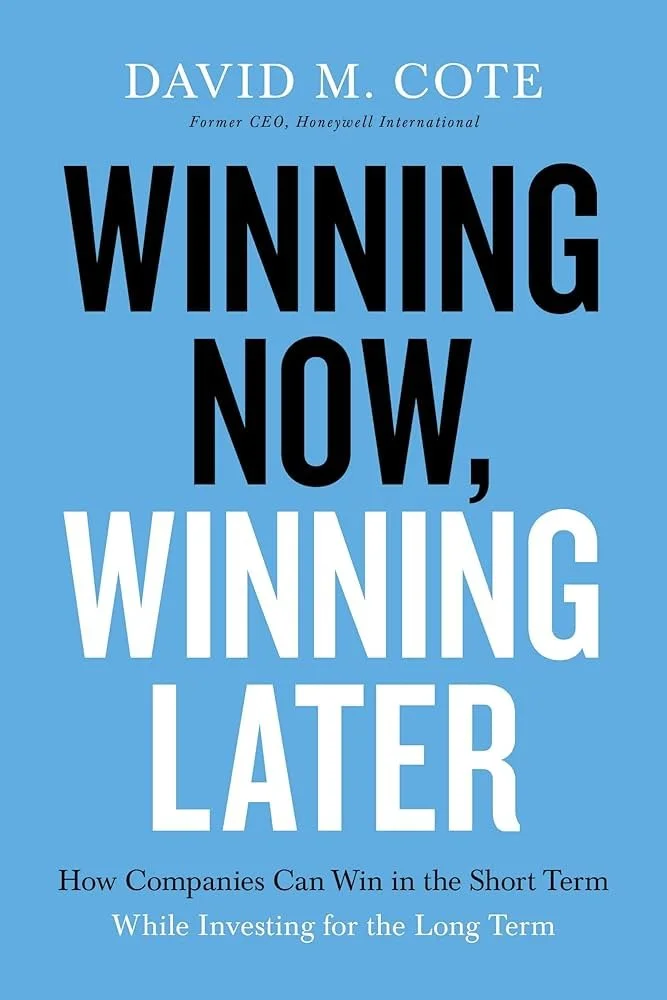
‘Winning Now, Winning Later’ by David M. Cote
Drawing from David M. Cote's book Winning Now, Winning Later (he turned around Honeywell during the 2008 financial crisis), here are essential business principles:
Don't be lazy with business process - Create a comprehensive business plan (AI can help, but have someone review it for realism)
Plan for today and tomorrow - Having a flexible plan is better than no plan
Write SOPs (Standard Operating Procedures) - Document how you want things to operate so you can identify problems
Prioritize safety - Identify threats and enhance employee safety
Listen to employees and customers - Great ideas can come from anywhere (remember: a janitor created Flamin' Hot Cheetos)
Focus on process improvement, but don't change too much too quickly - Give each change time to work
Build a culture everyone can get around - Good culture makes employees promote your business for you
Balance leaders and followers - Too many chiefs and not enough Indians destroys value
Grow with the times - Set trends instead of following them
Plan ahead for recessions - Layoffs should be the last option, not the first
Plan for succession - Train your replacement for 3-5 years; give them SOPs
Online vs. Local: A Critical Choice
Yes, you might find things cheaper online because they've cut out the middleman. But when you shop at your local grocery store or hardware store, you're supporting a local family that's put their blood, sweat, and tears into that business. You're putting money back into the community.
And with shipping costs being what they are now, you're often paying the same price anyway. So why not just pick it up while you're already in town?
The Trickle Effect of Saying "No"
Here's something crucial to understand: If you tell one alumns "no" on their business idea, it creates a trickle effect.
When we denied that tattoo parlor, what message did it send? That person tells their friends, "They don't want new business in that town. Don't even try."
Then the next person with an idea—maybe an art studio or an archery range—thinks, "Well, they turned down a tattoo parlor, which is basically just an art studio. My idea probably won't succeed because they don't view it as acceptable."
Meanwhile, that tattoo artist goes to the neighboring town, gets their permit, and now that town is making money off property taxes and sales tax that you just lost.
You don't have to morally agree with every business. You don't have to personally patronize them. But when you stop someone from achieving their dream, you're not just losing one business—you're potentially losing an entire generation of entrepreneurs.
The Deeper Truth
The education system didn't just prepare kids for jobs—it prepared them to leave. If we want alumni to come back, we must stop educating them as exports and start educating them as future owners, builders, and stewards.
Towns don't die from lack of talent. They die when their talent is trained to disappear.
Conclusion: Reclaim What's Yours
Small towns die not because they lack heart, history, or talent. They die because their systems were redesigned to export all three. Money leaves and doesn't come back. Young people are trained to exit instead of build. Ownership disappears. What's left is nostalgia without power.
Real revival isn't about chasing big employers, lowering standards, or begging chains to move in. It's about building an ecosystem—one rooted in identity, physical gathering places, and local ownership.
Alumni don't come home for festivals or memories. They come home when there's something worth owning, leading, and building. When nostalgia becomes capital. When belonging comes with responsibility.
A town that raises people owes them a future worth returning to. And a community that wants to live must choose ownership over extraction, identity over convenience, and belonging over profit alone.
Towns don't need to be saved. They need to be reclaimed by the people who belong to them.
To make that happen, you have to expect change and allow change to happen in order for your community to grow. Otherwise, you're just going to let the community die.
