

The BRUTAL Truth About Jobs They Never Warned You About in School
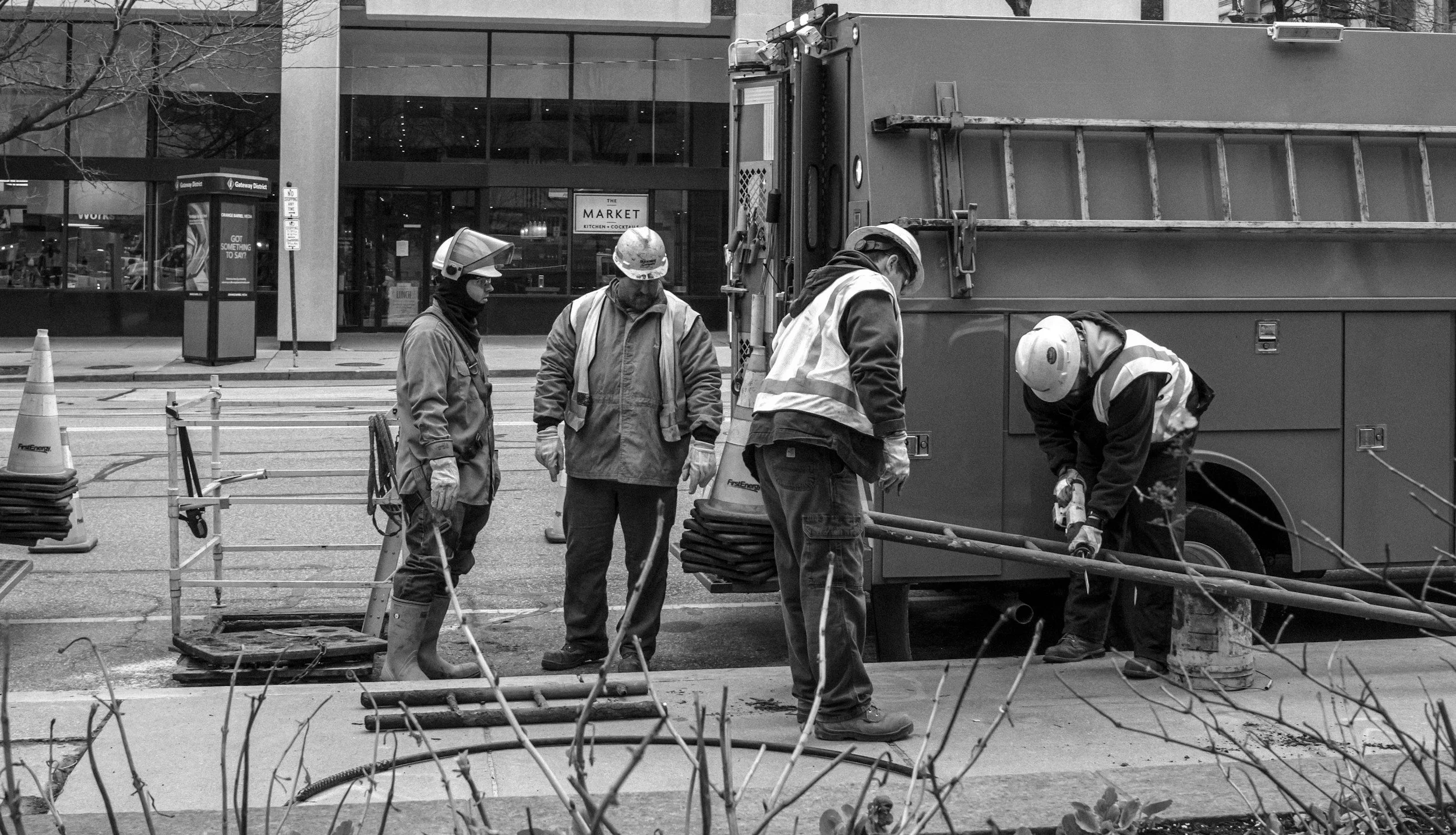
Picture of a Trades Job
The Reality Check We All Need
Remember when the CEO of Ford announced 6,000 open technician positions and couldn't understand why nobody wanted to earn "$120,000 a year"? That moment sparked an important conversation about what people aren't telling you about trade jobs, teacher salaries, and skilled labor careers.
The truth is simple but brutal: there's a massive gap between what guidance counselors tell you and what actually happens when you start working. This is your real-world guide to understanding trade careers—not the glossy brochure version.
The 30-30-30 Rule Nobody Mentions
Here's what they teach in tech school about becoming an automotive technician:
Spend $30,000 on tech school
Spend $30,000 on tools
Make $30,000 your first year
Yes, experienced technicians should be making six figures. But starting out? You're deep in debt before you've even turned your first wrench.
The Hard Question: Before committing to any career, ask yourself: What will I actually make in year one? Is the investment worth it?
Hands-On Jobs: The Beautiful Struggle

Cosmetologist
Barbers vs. Cosmetologists
What They Do:
Barbers specialize in short haircuts, fades, beard shaping, and straight razor shaves—primarily men's grooming
Cosmetologists provide a wider range of services: hair coloring, chemical treatments, makeup, skincare, and nails
The Harsh Reality:
Most barbers and cosmetologists are self-employed booth renters or independent contractors. Think of it like strippers working at a club (hear me out)—they pay a "house fee" to keep the business running and keep the rest as take-home pay.
What this means:
No employer-provided health insurance
No retirement plans
No paid leave
No guaranteed disability or unemployment protection
You fund everything yourself
In big cities like New York, some shops hire W-2 employees with benefits. But in most places? You're on your own.
The Physical Toll:
Long hours standing (chronic foot and leg pain)
Repetitive hand and wrist motions (carpal tunnel territory)
Constant exposure to chemicals and dyes
Income fluctuates with client volume and cancellations
You live on tips
The Emotional Labor:
Managing difficult clients, having uncomfortable conversations, working evenings/weekends/holidays, and constantly updating your skills to keep up with trends—all while worrying about paying rent.
Construction: Where Your Body Is the Cost
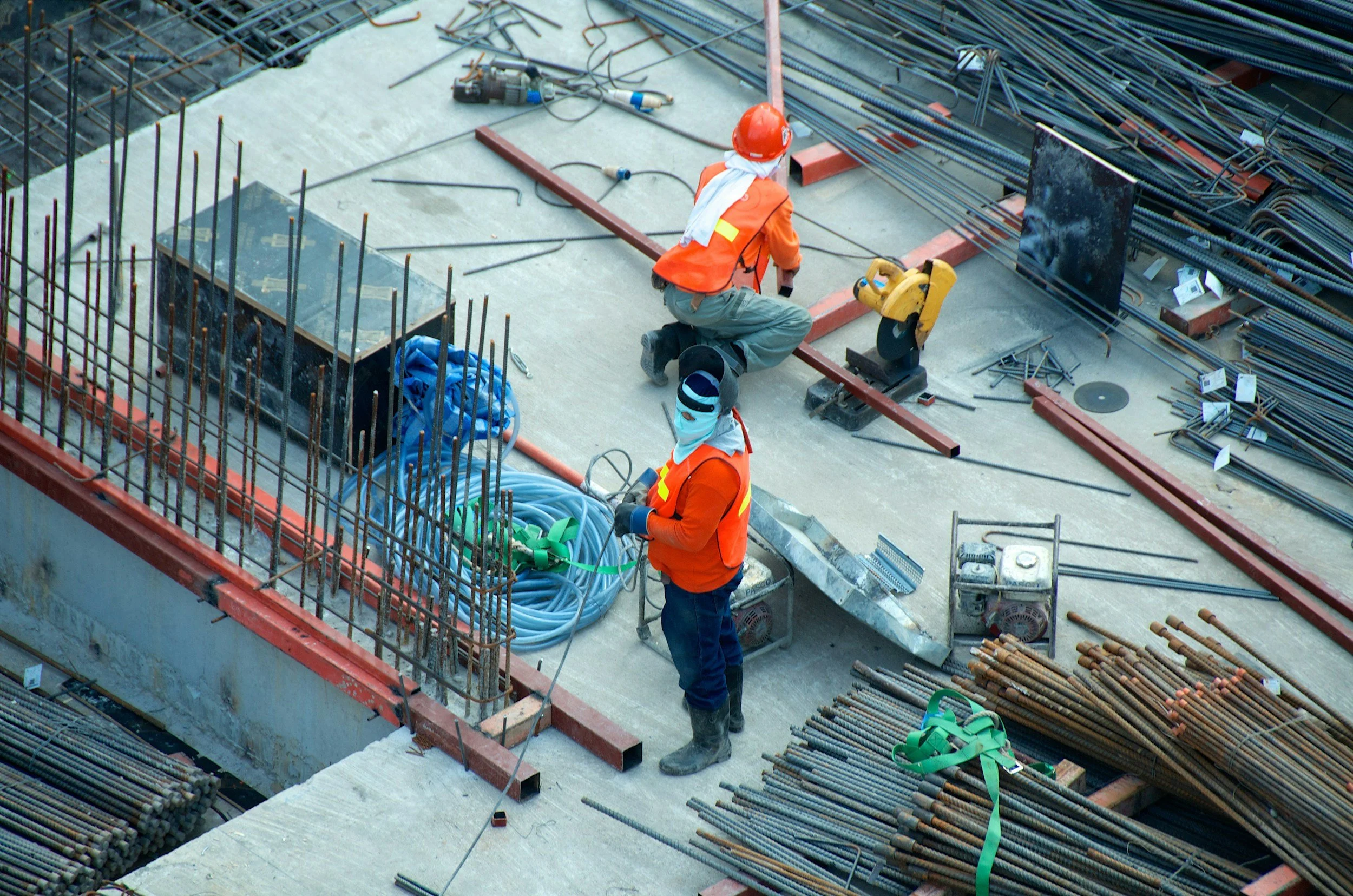
Workers at a construction site
Carpenters vs. Contractors
Carpenters do the physical building—cutting, shaping, installing, framing, trim work, and cabinetry. Real craftsmanship that's becoming increasingly rare.
Contractors manage the chaos—scheduling, budgets, permits, code compliance, hiring subcontractors, and dealing with homeowners who change their minds six times.
The Pay Gap:
Here's what frustrates everyone in construction: Contractors get paid significantly more, even though carpenters do the backbreaking labor.
Why? Contractors take their work home. They get 1 AM phone calls. They deal with inspection issues and client stress. They coordinate everything.
But should the pay gap be that wide? Many argue it shouldn't. Carpenters are the offensive line—doing the hard work in the trenches—while contractors are the quarterbacks getting all the hype.
Reality Check:
Carpenters: Physical injuries, variable schedules, long-term body wear, often limping by their 40s or 50s
Contractors: Higher earning potential but greater business liability, no predictable hours, financial pressure, and if self-employed, no traditional benefits
The Dangerous Trades
Framers, Roofers, Electricians, and HVAC Technicians
Framers build the structural skeleton of buildings—erecting frames, studs, joists, and rafters. Heavy lifting, precise measurements, standing, bending, kneeling, and climbing all day long.
Roofers work on elevated, sloped surfaces in all weather conditions. Goodbye to your calves. Hello to carrying five pallets of shingles up wobbly ladders while hoping you don't fall. It's one of the most dangerous construction jobs—high risk of falls, slips, heat injuries, and serious accidents.
Electricians install and repair electrical systems. Yes, they can get shocked and die. But they can charge $100/hour while carpenters are capped at $30/hour. How does that make sense?
HVAC Technicians handle heating, cooling, and ventilation systems—calculating airflow for entire buildings, working with heavy equipment in varied conditions. Demand remains consistently high.
The Insane Pay Structure:
By law, contractors and carpenters can only charge $30/hour, but electricians, plumbers, and HVAC techs can charge $50-$100/hour. The people who actually build the house are the lowest paid in the industry.
What Nobody Tells You:
Weather is your real enemy—heat, cold, rain, snow, wind all affect safety and scheduling
Injuries are common despite safety gear
Physical toll accumulates: joint issues, back problems, chronic pain
Job stability is unpredictable for labor-based trades
Even "steady" technical trades face deadline stress and must constantly update their knowledge
Welding: The Hidden Goldmine

Welder
MIG, TIG, and Pipeline Welding
A few years ago, the government called around looking for welders to work on military equipment. They couldn't find anyone qualified or willing to take the job. That should tell you something.
MIG Welding: Fast, semi-automatic, beginner-friendly, great for production work. Con: Less precise, more splatter.
TIG Welding: Highly precise, clean, ideal for thin or specialty metals. Con: Slow, skill-intensive, requires hundreds of practice hours.
Pipeline Welding: The big money. High skill, strict certification, remote outdoor work, and often traveling for weeks or months. High pay comes with per diem, truck pay, and overtime—not just base rate.
Underwater Welding: One of the best-paying jobs in the field. The skill is incredibly rare because you're welding while floating, fighting buoyancy, dealing with cold water, and trying to heat metal in water. It's a different level of difficulty.
Reality Check:
MIG: Fast but requires constant tuning—easy doesn't mean effortless
TIG: Demands patience and coordination—professional quality takes hundreds of hours
Pipeline: Great pay, but you live in hotels/camps for extended periods with long, unpredictable hours
Work availability fluctuates with industry cycles—expect downtime
Mechanics: Then vs. Now
Old School Mechanics (1960s-1980s)
Back in the day, mechanics worked on carbureted engines, simple wiring, and mechanical fuel systems. You needed a key to start and lights to turn on—that was it. Diagnosis was done by smell, feel, and mechanical troubleshooting. You tuned carburetors, adjusted timing, and rebuilt engines.
Modern Automotive Technicians
Today's vehicles are rolling computers. Modern techs use scan tools and advanced diagnostic equipment to troubleshoot sensors, networks, modules, and drivability issues. Everything is electronically controlled and computer-integrated.
About Those "Free Diagnostics":
When you go to AutoZone or O'Reilly's for a free diagnostic, they're not actually diagnosing your car. They're pulling a code that tells you there's a problem—like a P0303 (cylinder 3 misfire).
That code just says "something's wrong with cylinder 3." It could be compression. Could be fuel. Could be spark. It's a starting point, not an answer.
Pro Tip: If you tell a mechanic "the computer said I need this part," they're biting their tongue not to laugh. Do your research, but understand that scan tools are just one piece of the puzzle.
Diesel Technicians
Specialists working on diesel-powered trucks, heavy machinery, tractors, buses, and industrial engines. High-torque engines, turbos, hydraulics, drivetrains, and DEF (diesel exhaust fluid) systems.
Important: Never put DEF in your diesel tank. It will destroy your motor.
Body Technicians
Collision repair specialists who restore damaged vehicles—repairing panels, straightening frames, performing bodywork, painting, and aligning components.
The Reality:
Body techs are like the roofers of the auto industry—mechanics keep them in business just like framers keep roofers employed.
The Tool Cost Problem
Quality tools cost thousands. Snap-On has been the gold standard, but here's what's changing:
Harbor Freight's Icon G2 Series has outperformed Snap-On at SEMA for the last two years. Milwaukee power tools are also beating Snap-On.
Here's the kicker: Snap-On isn't even made in the USA anymore. It's built overseas, brought to the US, and stamped "Made in USA."
Starter Kits:
Tekton: Offers affordable starter kits on their website
Harbor Freight: $800 kit with toolbox (0% interest for 24 months) or $3,200 Icon series kit (0% interest for 36 months)
The Apprenticeship Solution:
Some shops are finally catching on. They'll buy you tools—usually the Harbor Freight Icon series or Tekton—, and you sign a 2-3 year contract. After that period, the tools are yours. If you leave early, they take them back.
This is how it should work. You shouldn't graduate from tech school thousands in debt.
Pay Structures: Hourly vs. Flat Rate

Money
Hourly: You get paid for the time you work. If a job takes 4 hours, you get 4 hours of pay.
Flat Rate (Commission): If the book says a job takes 3 hours, but it takes you 4, you only get paid for 3. You lost an hour. But if you finish in 2 hours, you still get paid for 3.
The Catch:
Flat rate means feast or famine. If you're not turning wrenches, you're not making money. Hourly techs get screwed because they don't make the big money flat rate guys do.
The Best of Both Worlds:
Some shops now offer hourly wages plus commission bonuses. If you can find one that also invests in training? That's the unicorn.
What They Don't Teach You in School
Continuing Education
You must renew your ASE certification every five years and complete continuing education to maintain it. Most shops around the country don't invest in their tech.
If you want higher education—conventions, training programs, new technology courses—you're paying out of pocket.
Pro Tip: During your interview, ask how many training hours their technicians have. If they can't tell you, that's a red flag.
The Physical Toll
Knees deteriorate from constant bending, lifting, and kneeling in tight spaces
Skin exposure to chemicals, oils, sharp metals, and abrasives
Lung damage from dust, fumes, brake dust, paint vapors, and exhaust
Chronic pain and injuries that accumulate over decades
Modern Complexity
Technicians face increasing pressure from the complexity of diagnostics and rapid changes in automotive technology. That hood latch you bought on Amazon? It might stop your car from starting because it's sending the wrong signal to the safety system.
Quality parts cost more, but cheap parts can cause expensive problems down the road.
The Bottom Line
Trade jobs are making a comeback, but they've gotten a bad rap for years. The reality is:
Skilled trades are essential and in-demand
Pay can be excellent—once you're established
You're building something tangible
Job security is strong in many fields
But also:
Starting salaries are often shockingly low
Tool costs are massive upfront investments
Physical toll is real and permanent
Benefits are rare unless you're a W-2 employee
Continuing education often comes out of your pocket
Final Advice
Do your research.
Talk to people actually working in the field—not guidance counselors, not recruiters, not YouTube influencers. Ask about:
First-year salary
Tool costs and who pays for them
Benefits (or lack thereof)
Physical demands
Training opportunities
Work-life balance
If you have a passion for the work—whether it's teaching, working with your hands, or building things—then by all means, pursue it. But go in with your eyes open.
The trades are the last of a dying breed, but people are starting to realize we need skilled workers. Shops are beginning to invest in apprenticeships again. The industry is changing.
Just make sure you understand what you're getting into before you're $60,000 in debt and making $30,000 a year.
